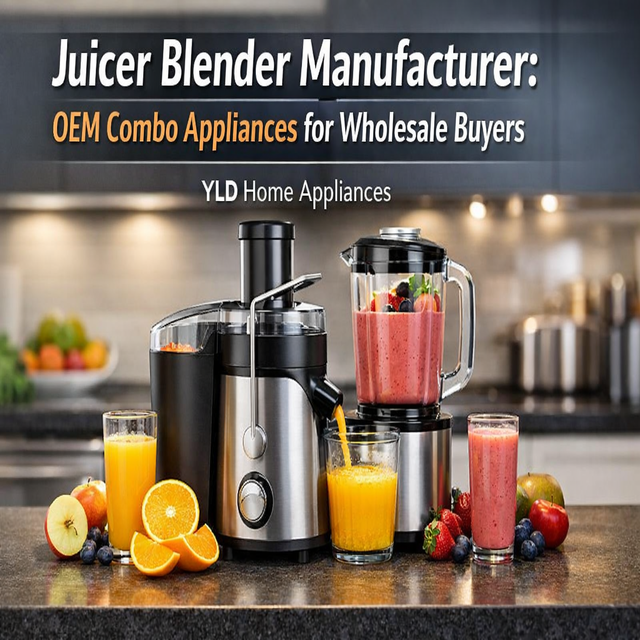


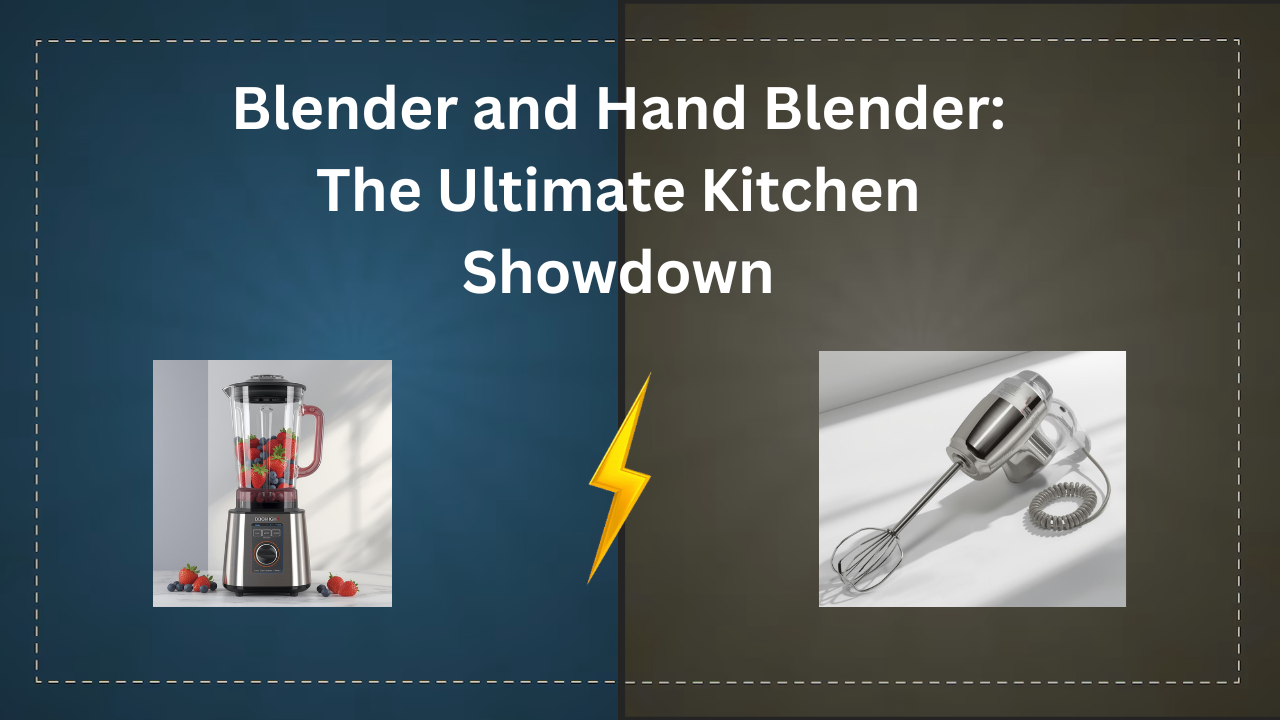

In every modern kitchen, a debate quietly simmers: blender and hand blender. Which one truly earns its place on your countertop? Imagine whipping up a morning smoothie, preparing creamy sauces, or pureeing vegetables. Both hand mixer and blender appliances promise convenience, but their strengths are subtly different.
In this blog, our team decided to explore the ultimate kitchen debate: hand blender vs hand mixer. Both promise convenience, but each shines in different ways. Choosing the right kitchen appliance can transform cooking from a chore into a smooth, enjoyable experience.
Today, we will cover some most important aspects regarding about blender and hand blender:
- Power and motor efficiency for different tasks
- Design, ergonomics, and ease of use
- Noise levels and operational comfort
- Price, value, and long-term reliability
- Everyday scenarios where each appliance excels
Blender and Hand Blender: Core Differences
When selecting kitchen appliances, understanding the core differences is crucial. A standard blender features a powerful motor and tall jar, making it perfect for crushing ice, making nut butters, or preparing purees.
In contrast, a hand blender also called an immersion blender. It offers portability and precision. It is ideal for sauces, baby food, whipping cream, blending soups directly, and easy storage. Its compact size allows users to operate it in small containers without the mess of transferring food.
Power and Motor Efficiency
Blender motors offer high wattage for tough ingredients, while hand stick blender prioritize precision. Efficient design, variable speed, and durable blades ensure reliable performance for both households and commercial kitchens.
| Feature | Blender | Hand Blender |
| Motor Power | 300–1500+ watts | 150–400 watts |
| Best Use | Large batches, ice crushing | Soups, sauces, small portions |
| Speed Control | Fixed or variable | Usually variable for precision |
| Blade Material | Stainless steel | Detachable stainless steel |
| Portability | Countertop use | Lightweight, handheld |
Materials and Build Quality
The material of your kitchen appliance affects durability and performance. Blenders are commonly made with BPA-free plastic jars, tempered glass, stainless steel blades, reinforced base units, and rubberized non-slip feet. High-quality materials reduce wear and ensure long-term reliability.
However, cordless hand blender prioritize lightweight metals, splash guards, dishwasher-safe attachments, anti-corrosion blades, and premium plastic housings. These materials make cleaning and handling easier while maintaining safety standards.
Learn More: Key Differences Between Commercial Air Fryer Vs Industrial Air Fryer
Design and Ergonomics
Design affects daily kitchen work. Blenders are sleek and modern. They have touch controls, LED indicators, and removable lids. Hand mixer blender are lightweight. They offer ergonomic grips, cordless use, and versatile attachments.
Key Design Features
- Sleek and compact for blenders
- Touch controls for easy operation
- LED indicators for status display
- Removable lids for simple cleaning
- Ergonomic grips for comfort
- Cordless with detachable attachments
- Adjustable immersion depth for precision
Versatility and Attachments
Blenders can perform multiple functions: ice crushing, smoothie making, soups and sauces, milkshakes, protein shakes, purees, cocktail mixing, and baby food preparation. Additional attachments such as grinders or food processors further enhance their utility.
Smoothies hand blender, while smaller, are surprisingly versatile: whisking eggs, blending soups, mixing batters, making mayonnaise, pureeing vegetables, preparing dips, emulsifying dressings, and light chopping. This versatility comes from interchangeable attachments and compact design.
Cleaning and Maintenance
Ease of cleaning is often a deciding factor. Blenders usually feature removable jars, dishwasher-safe lids, self-cleaning mode, easy-to-wipe bases, and detachable blades.
Best rated hand blender simplify post-use cleanup with detachable shafts, dishwasher-safe components, compact storage cases, wipeable cords, and stain-resistant finishes. Regular maintenance ensures both appliances operate efficiently for years.
Learn More: Food Chopper Vs Food Processor: Which One Should You Buy?
Noise Levels and Operational Comfort
Blenders can be loud, especially high-powered ones. Shenzhen YLD Limited uses noise-reducing technology. Smooth motors, vibration-dampening bases, and quiet blades make operation more comfortable. Small hand blender are usually quieter, ideal for small kitchens.
Key Features
- Noise-reducing technology for blenders
- Vibration-dampening bases for stability
- Smooth motor operation
- Quiet blade rotations
- Balanced and silent hand blender performance
Safety Features
Modern kitchen appliances incorporate multiple safety features. Blenders may include lid locks, automatic shutoff, overload protection, non-slip bases, and heat-resistant jars.
Hand held stick blender feature child-lock systems, blade guards, overheat sensors, non-slip handles, and cord-free models to enhance safety during immersion blending.
Price Range and Value
Price often catches attention first, but true value reveals itself through daily performance. The real decision lies in choosing an appliance that delivers reliability, comfort, and consistency, supporting both current cooking habits and evolving kitchen expectations.
Handheld blending tools follow a simpler logic built around convenience and control. Designed for quick tasks and flexible use, they integrate easily into modern workflows, offering practical performance that feels worthwhile when matched to real kitchen needs.
A Smarter Way to Choose the Right Blender or Hand Blender
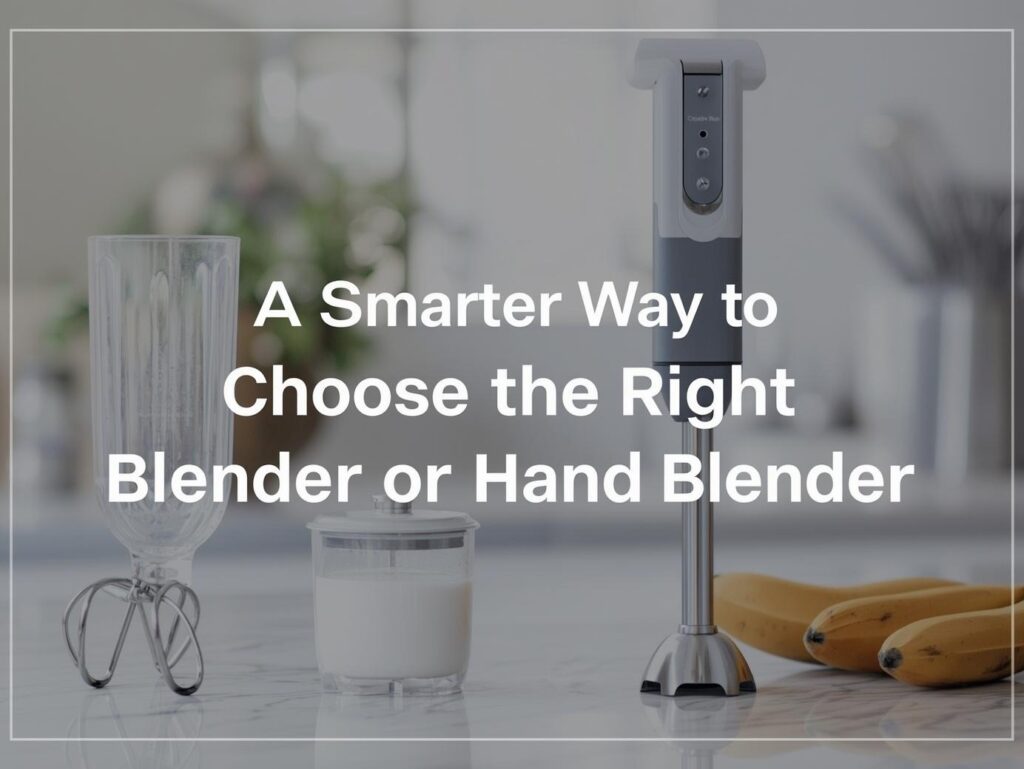
Buying a kitchen appliance should feel confident, not confusing. Focus on how you cook and what problems need solving. The right product fits your routine, not just your budget.
1: Start With Your Cooking Reality
Consider your daily kitchen use. Large batches require stability and capacity, while smaller portions need flexibility. Frequency and texture expectations matter more than brand hype.
2: Match Power to Ingredients
Not every recipe needs maximum power. Tough ingredients require strong motors, while soups and sauces benefit from variable speed control. Choose a balance that ensures consistent results without overspending.
3: Quality Materials Matter
Stainless steel resists wear, BPA free plastics protect food, and durable glass jars prevent stains and odors. A well-built appliance feels solid and stable, supporting long-term use.
4: Look Beyond the Main Blade
Attachments like whisks, choppers, and grinders expand functionality. Versatile appliances save space, adapt to new recipes, and grow with your cooking habits.
5: Cleaning Should Be Easy
Detachable components and dishwasher-safe parts make maintenance simple. Appliances that are easy to clean are used more often and appreciated more.
6: Noise and Comfort
Quiet motors enhance the kitchen experience, especially in shared spaces. Balanced weight, ergonomic grips, and easy storage improve comfort and control.
7: Safety is Essential
Lid locks, overheat protection, and child-safety systems protect both user and appliance. These features indicate thoughtful engineering and reliability.
8: Value Over Price
Cheaper models may cost more over time. Evaluate durability, functionality, and lifespan to ensure long-term value and fewer replacements.
9: Trust Your Brand
Choose a reliable supplier. We offers tested, durable appliances backed by warranty and consistent quality.
Learn More: Best Key Differences Between Emulsion Blender vs Immersion Blender
Which One Should You Choose?
Choosing between a hand blender and chopper depends on your kitchen habits. If you prepare large batches, smoothies, soups, or ice-based drinks, a full-sized blender is ideal. If your focus is small-scale cooking, direct-in-pot blending, or portable mixing, a hand blender is the smarter choice.
Final Thoughts
Both hand blender and food processor have a valuable place in every modern kitchen. Blenders deliver power and handle large volumes effortlessly. Small hand held blender provide precision, convenience, and quick, versatile use. Choosing the right combination elevates your cooking experience and makes daily kitchen tasks faster, easier, and more enjoyable.
After reading our guide, you’ll know which appliance deserves a permanent spot on your countertop and how it can make your daily cooking smarter and faster.
Most Asked Questions
Q1: What is the main difference between a blender and a hand blender?
Answer: A blender is designed for high-power, large-batch blending using a fixed jar. Hand blender offers portability and precision by blending directly in pots, bowls, or containers.
Q2: Which appliance is better for daily kitchen use?
Answer: It depends on usage habits. Blenders are ideal for smoothies, ice crushing, and bulk preparation, whereas hand blenders suit quick tasks like soups, sauces, and small portions.
Q3: Can a hand blender replace a traditional blender?
Answer: A hand blender can handle many everyday tasks but cannot fully replace a blender for heavy-duty jobs such as crushing ice, making nut butter, or blending large quantities consistently.
Q4: Which option is easier to clean and store?
Answer: Hand blenders are easier to clean and store due to their detachable parts and compact size. Blenders require more space but often include dishwasher-safe jars and components.
Q5: How do I choose a reliable blender or hand blender brand?
Answer: Choose brands with proven quality control, durable materials, safety features, and warranty support. Shenzhen YLD Home Appliances Limited offers reliable solutions designed for long-term performance and customer satisfaction.