

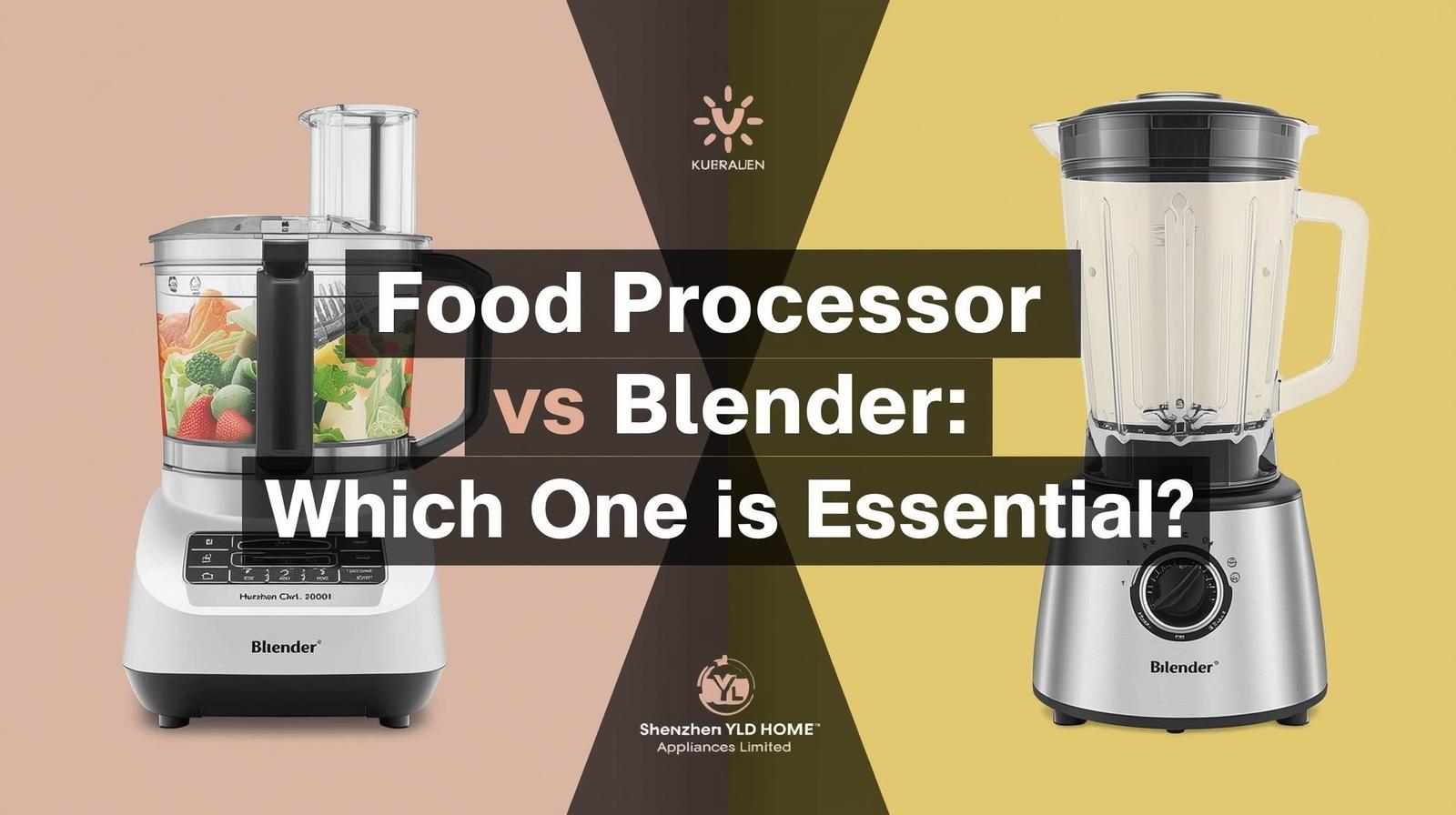

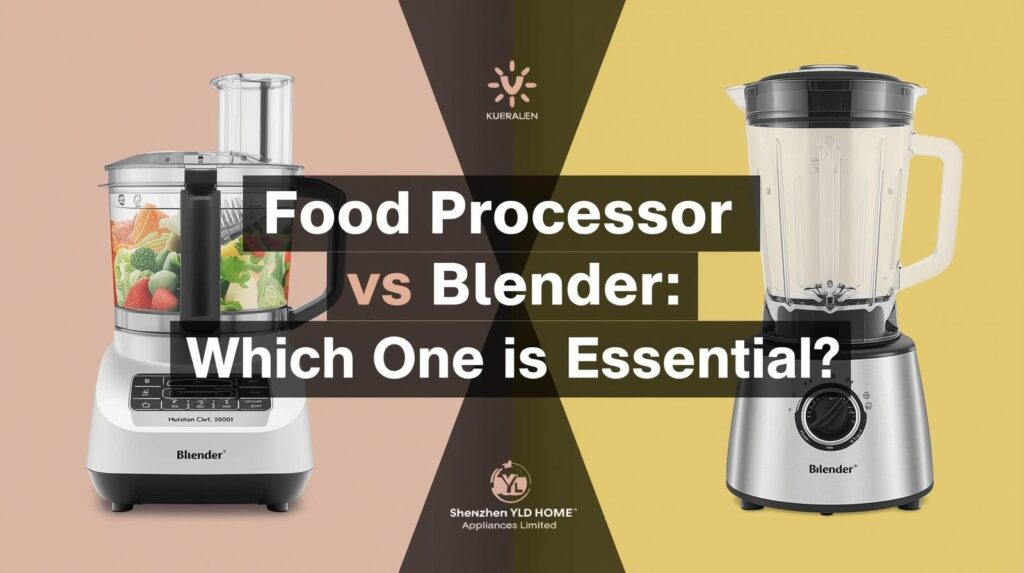
Kitchen appliances have evolved significantly over time and have become an essential part of modern cooking. Among the most useful countertop tools are food processor vs blender. Both appliances are designed to simplify kitchen tasks and save time during food preparation. However they are built for different purposes and perform best in very different situations. Understanding the differences between these two machines helps you make the right choice. It shows which appliance is essential for your cooking needs. It also helps you decide if having both makes more sense for your kitchen.
In this comprehensive guide, we will explore differences between food processor vs blender helps you make the right choice. We will compare their capabilities side-by-side and provide real-world use cases. However, we will also help you determine which appliance you should prioritize based on your cooking habits and kitchen workflow.
What is a Food Processor?
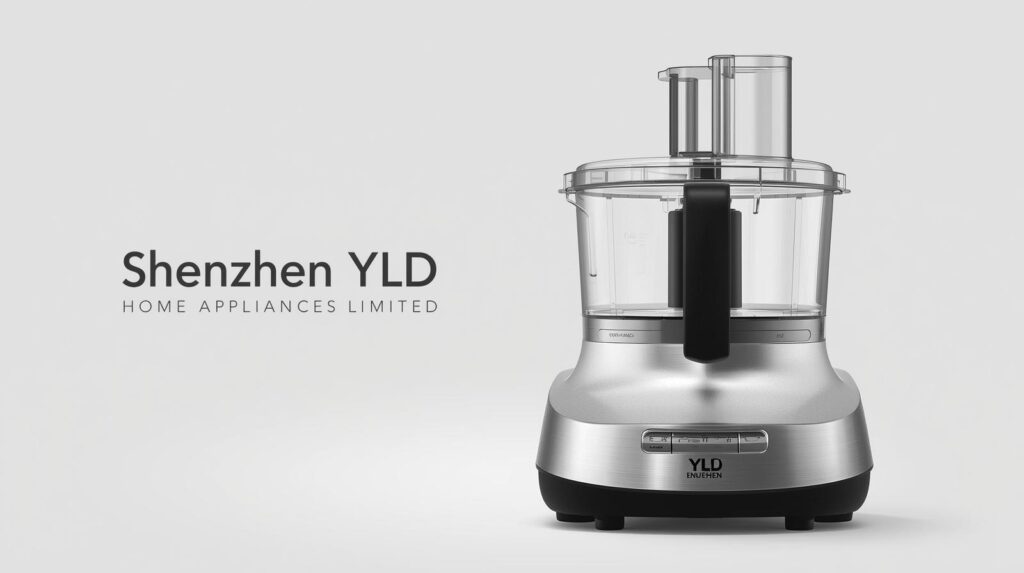
A food processor is a powerful countertop appliance primarily designed to handle a wide range of food preparation tasks. Unlike many other small kitchen tools, food processors come with interchangeable blades and discs. However, it allows you to chop, slice, shred, dice, grate, knead dough, and even grind ingredients with consistency and precision.
Food Processor: How it Works?
At its core a food processor has a motorized base. It also includes a wide work bowl. Sharp flat blades rotate inside the bowl. These blades move horizontally during operation. The breadth of the bowl and the design of the S-shaped blade make it easy to handle solid ingredients without the need for added liquid. The wide opening also allows for easy addition of ingredients during operation.
Key Functions of Food Processor
Food processors excel at tasks that involve shaping, cutting, and preparing ingredients rather than purely transforming them into liquids. Typical uses include:
- Chopping vegetables and herbs for soups, salads, and sauces
- Slicing fruits and vegetables uniformly for casseroles and stir-fries
- Shredding cheese or cabbage for recipes like coleslaw
- Making dough for bread, pizza, and pastries
- Grinding nuts, seeds, or meat for dips and patties
- Mixing heavy batters or pastes without manual intervention
This versatility makes food processors a true multitasker in the kitchen.
What is a Blender?
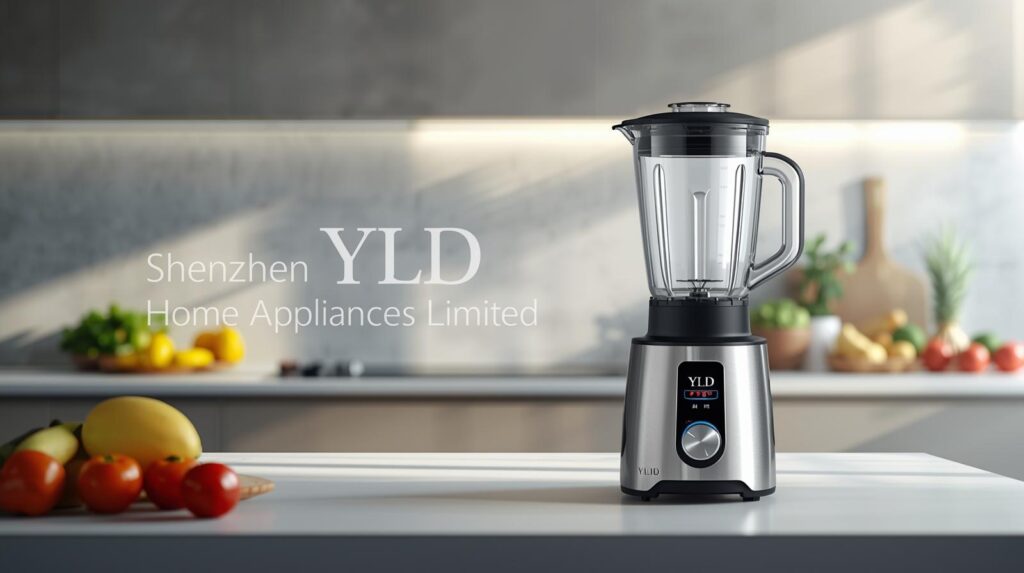
A blender is a kitchen appliance used to mix, purée, and turn ingredients into smooth liquids. It has a tall narrow jar with sharp rotating blades at the bottom. The blades move ingredients downward in a vortex pattern to create an even texture. This design makes blenders perfect for liquids and soft foods. Most blenders require some liquid to work properly, unlike food processors which can handle solid foods on their own.
Blender: How it Works?
A blender has a motorized base and a jar that holds the ingredients. The blades are fixed at the bottom of the jar. When the blender is turned on, the blades spin rapidly and pull the ingredients downwards. This motion creates a smooth and homogeneous mixture. The narrow jar helps generate the right force to keep ingredients moving efficiently. Blenders are ideal for making smoothies, soups, sauces, and emulsions. High-powered models can even crush ice and blend frozen fruit, making them essential for kitchens that prepare drinks and beverages.
Key Functions of a Blender
Blenders are ideal for:
- Smoothies and shakes from fruits, vegetables, and protein powders
- Creamy soups and purées without lumps
- Sauces and dressings such as pesto or hollandaise
- Crushing ice for cocktails and frozen beverages
- Nut milks and emulsions that rely on consistent blending action
High-powered blenders can handle hard ingredients. They can crush ice cubes and frozen fruit. This makes them essential for kitchens that focus on beverages.
Food Processor vs Blender: Head-to-Head Comparison
To decide which appliance is more useful you need to compare their performance. Look at key functions and practical tasks. This will show where each machine works best.
| Task / Feature | Food Processor | Blender |
| Smoothies & Juices | Poor | Excellent |
| Chop, Slice, Shred | Excellent | Limited |
| Dough & Pastry | Excellent | Not Recommended |
| Ice Crushing | Moderate | Excellent |
| Sauces & Dressings | Good | Excellent |
| Nut Butters | Good | Moderate |
| Cleaning Ease | More Parts | Fewer Parts |
| Space Needed | Larger bowl | Taller jar |
Use Cases: When to Use Each Appliance
Understanding the specific scenarios where each tool performs best will help you rationalize your purchase.
Food Processor: Best for Solid-Based Prep and Multistage Recipes
Food processors are indispensable when you need precision and control over the structure of ingredients. Ideal tasks include:
- Vegetable preparation (onions, carrots, peppers)
- Cheese shredding in bulk
- Pastry dough mixing and kneading
- Breadcrumbs and meat grinding
- Chunky dips and spreads that retain texture
If your cooking has many prep steps a food processor can help. It handles solid ingredients with ease. It adds real value to your kitchen routine.
Blender: Best for Smooth Liquids and Drinks
Blenders shine in any application that requires a uniform liquid consistency:
- Fruit and vegetable smoothies
- Creamy soups
- Nut milks
- Cocktails and frozen drinks
- Homemade sauces
The blending vortex moves ingredients evenly.It creates very smooth textures. Food processors cannot do this easily. They need extra liquid and more time.
Choosing the Right Appliance: Factors to Consider
The decision between a food processor vs blender should be informed by your cooking habits, kitchen space, and budget.
Frequency of Use
- Frequent entertainers or batch cooks: A food processor is essential for prep work at scale.
- Daily smoothie drinkers or soup lovers: A blender delivers daily value.
Space and Storage
Consider the footprint and accessories. Food processors typically have more components and discs which can require more storage space. Blenders are simpler and often easier to store.
Budget
If you must choose one on a budget, assess your most common recipes. If you make more smoothies and purees, a blender offers more utility. If you prep a lot of solid foods, a food processor is more essential.
Do You Really Need Both?
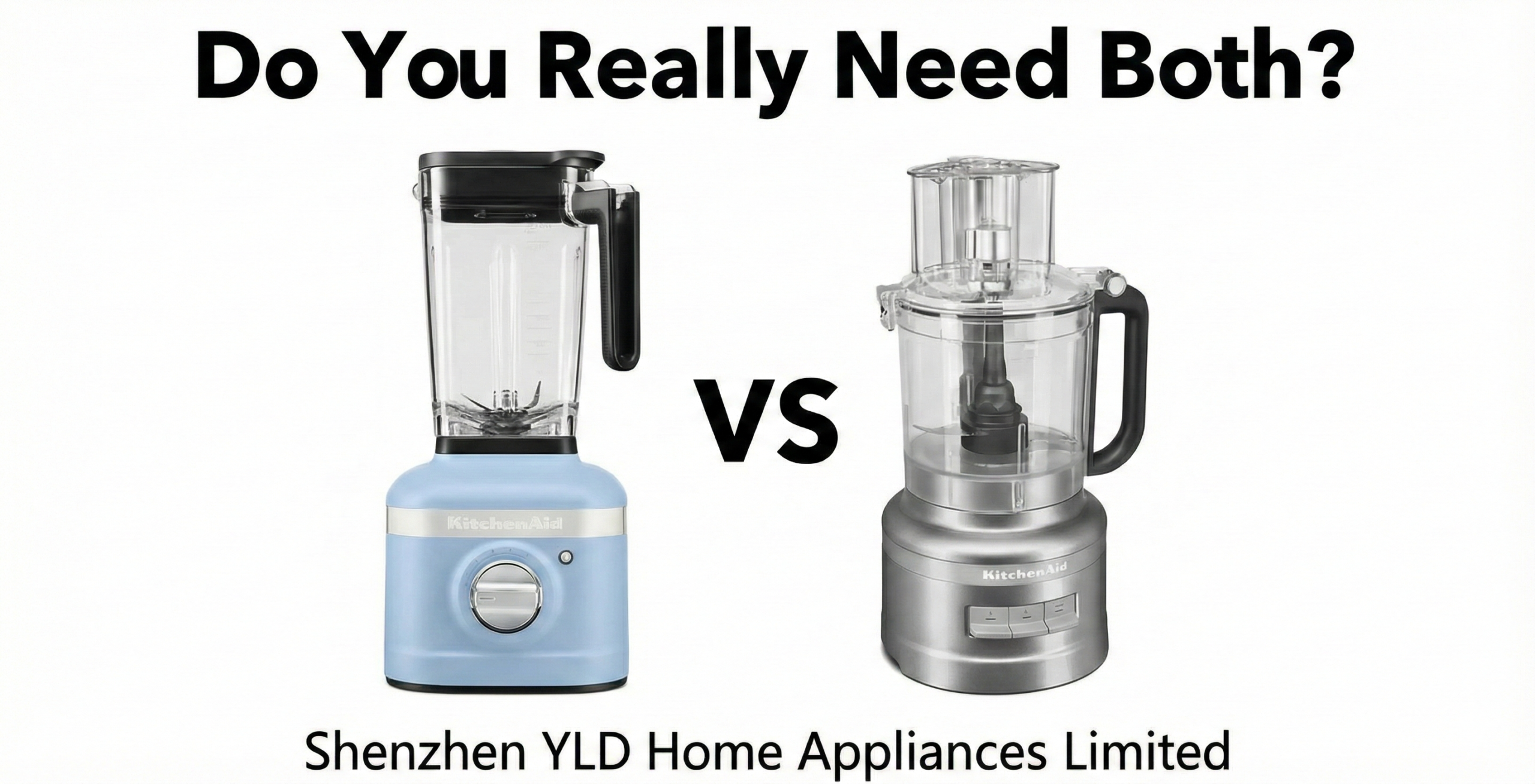
For many home cooks and professional kitchens, the ideal solution is to have both appliances. They complement each other rather than compete. Food processor vs blender share some overlapping tasks (e.g., pureeing soft foods). But they each have unique strengths that make them indispensable for different tasks.
Efficiency in Meal Prep
Owning both devices eliminates compromises in texture and preparation time. For example:
- Use a blender for breakfast smoothies or soups.
- Use a food processor for dinner prep tasks like chopping vegetables or making dough.
Space and Cost-Saving Alternatives
If kitchen space or budget is limited, countertop hybrid systems with interchangeable functions offer a worthwhile compromise. Some units combine blender and food processor attachments powered by a single base, providing versatility without doubling the footprint.
Professional and High-Volume Cooking
For commercial kitchens or heavy-duty use, food processor vs blender has distinct roles:
- Commercial blenders are optimized for high-volume liquid blending (smoothies, soups, sauces).
- Commercial food processors handle bulk chopping, slicing, shredding, and dough work efficiently in larger capacities.
High-performance models often include variable speed controls, durable stainless blades, and safety features suitable for restaurant environments.
Which Appliance Should You Buy?
After analyzing the functions, use cases, and practical considerations:
Choose a Blender if:
- You primarily make drinks, smoothies, soups, and sauces.
- You want rapid liquid blending and ice crushing capabilities.
Choose a Food Processor if:
- You often chop, slice, shred, make dough, or prepare large quantities of solid food.
- You need versatility and the ability to handle a wide range of prep tasks.
Using Both Appliances Together:
- If space and budget permit, owning both tools will provide maximum flexibility and kitchen efficiency.
- Investment in a combination system with interchangeable attachments is another excellent solution for serious home cooks.
Final Thoughts
Food processor vs blender are both important in modern kitchens. Each appliance has its own strengths and performs different tasks. Choosing the right appliance depends on how you cook. It also depends on the types of food you prepare most often. Whether you use one or both, knowing their capabilities helps you work smarter. It makes cooking faster and more efficient every day.