




|| At Shenzhen YLD Home Appliances Limited, we prioritize product stability, cost efficiency, and long-term partnership development. Our goal is to support distributors, wholesalers, and global brands with reliable manufacturing and scalable growth solutions. ||
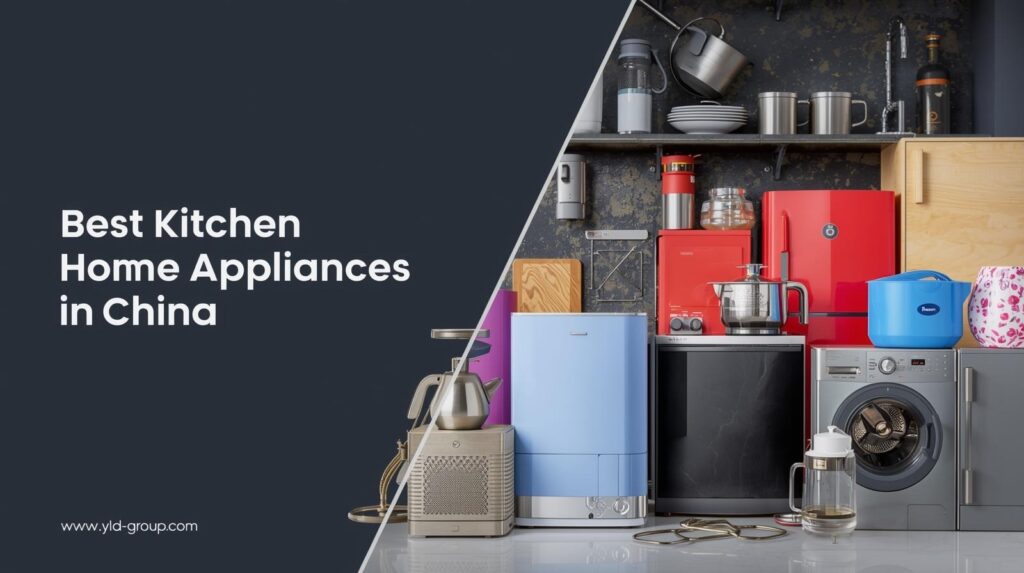
China is a global leader in kitchen home appliances. It produces a wide variety of products for both domestic and international markets. These range from traditional large appliances like refrigerators, ovens, and dishwashers to modern devices such as air fryers, induction cooktops, and smart IoT-enabled ovens. Chinese manufacturers combine quality, innovation, affordability, and technology. They have built a reputation for both design and production excellence.
For homeowners, retailers, importers, and B2B buyers, understanding China’s kitchen appliance market is important. This guide explores the market in depth. It covers product categories, major brands, trends, consumer preferences, and sourcing tips. It offers insights to help you navigate this dynamic industry.
Inside China’s Kitchen Appliance Industry
The kitchen appliance market in China has grown rapidly over the last decade. Growth is driven by urbanization, rising incomes, and changing lifestyles. People want kitchens that are modern, efficient, and smart.
Market Size and Growth
In 2024, the Chinese kitchen appliance market was valued at more than USD 42 billion. The sector is expected to grow steadily at around 6 to 7 percent per year. Urban living, higher disposable incomes, and the rise of smart home solutions are key factors behind this growth.
Smart appliances are the fastest-growing segment. Devices like Wi-Fi-enabled refrigerators, smart ovens, and app-controlled cooktops are in high demand. Annual growth in this category is expected to exceed 20 percent.
Other factors influencing growth include:
- A preference for appliances that save time and space
- Increased awareness of energy efficiency and eco-friendly living
- Expansion of online retail platforms and live-stream shopping
- Demand for appliances that offer automation and connectivity
Urbanization and Consumer Trends
China’s urban population is concentrated in major cities such as Beijing, Shanghai, Guangzhou, Shenzhen, and Chengdu. Urban households often have smaller kitchens. This has created a demand for compact and multifunctional appliances.
Popular urban appliances include:
- Air fryers that allow healthy cooking
- Rice cookers that save time and effort
- Multifunction blenders for smoothies and sauces
- Compact induction cooktops for quick and precise heating
Higher incomes have also increased demand for premium appliances. Touch-control ovens, connected refrigerators, and smart dishwashers are becoming common. Consumers now expect appliances to be reliable, convenient, and technologically advanced.
Export and Global Presence
China is the world’s largest exporter of kitchen appliances. Products are shipped to North America, Europe, Southeast Asia, and Africa. Many international brands either source components from China or manufacture their appliances there.
Key factors for China’s export success include:
- Competitive pricing without compromising quality
- Advanced production infrastructure
- Compliance with international safety and energy standards
Chinese manufacturers offer OEM and ODM services. This means buyers can either order ready-made appliances or have them customized under their own brand. These capabilities make China the hub for global kitchen appliance supply.
Product Categories and Features
China’s kitchen appliances can be grouped into four main categories. Each has unique features, technology, and market trends.
Major Appliances
Major appliances are the foundation of any kitchen. This category includes refrigerators, ovens, dishwashers, and range hoods.
Refrigerators and Freezers
- Largest market segment, over 30% of total sales
- Available in multi-door, French-door, side-by-side, and smart models
- Smart fridges offer app control, internal cameras, and food freshness alerts
Ovens and Microwaves
- Range from traditional gas ovens to smart convection ovens
- Smart ovens can be preheated remotely and controlled via apps
Dishwashers
- Popular in urban apartments for convenience
- Features include energy efficiency, low noise, and automated wash programs
Range Hoods
- Essential for smoke-free kitchens
- Modern hoods include sensors that adjust airflow automatically
Consumers now prefer appliances that save space, reduce energy use, and integrate with smart kitchens.
Cooking Appliances
Cooking appliances meet the needs of urban lifestyles, busy schedules, and health-conscious consumers.
Gas and Induction Cooktops
- Induction cooktops heat quickly, are energy-efficient, and safe
- Many models include touch controls and mobile app integration
Multi-Function Cookers and Rice Cookers
- Combine steaming, slow cooking, and frying in one appliance
- Smart versions allow scheduling and recipe-based cooking
Electric Grills and Air Fryers
- Air fryers offer fried textures with less oil
- They are increasingly popular among health-conscious households
Trend insight: People now prefer compact, multifunctional, and energy-efficient appliances that fit small kitchens without compromising functionality.
Small Kitchen Appliances
Small appliances are often the first addition to a kitchen upgrade.
Popular devices include:
- Blenders and Food Processors: Ideal for smoothies, sauces, and prep work
- Coffee Machines: Single-serve and automatic espresso machines are common
- Electric Kettles: Fast heating and temperature control
- Toasters and Sandwich Makers: Compact, multifunctional, and sometimes smart-enabled
Small appliances focus on convenience, health, and smart features. Many products integrate with home automation systems.
Smart and Connected Appliances
Smart kitchens are now mainstream. Connected devices offer convenience, efficiency, and automation.
Examples include:
- Connected Ovens: Preheating, recipe guidance, and automated cooking
- Smart Refrigerators: Track inventory and expiration dates, include cameras
- Voice and App Control: Compatible with Alexa, Google Home, and Xiaomi Home
- Energy Monitoring: Track power use to reduce bills
Smart kitchens are no longer a luxury. They are standard in urban apartments and modern residential developments.
Leading Chinese Kitchen Appliance Brands
China has several well-known brands recognized for innovation, quality, and global reach.
| Brand | Products | Key Characteristics |
| Shenzhen YLD Home Appliances Limited | Blenders, Juicer machine, Ovens, and Coffee Machine | Global presence and high-quality manufacturing |
| Haier | Refrigerators, ovens, washers, small appliances | Global presence and high-quality manufacturing |
| Galanz | Microwaves, compact appliances | Space-saving designs and innovation |
| Gree Electric | Rice cookers, induction cookers, HVAC-integrated appliances | Smart kitchen integration |
| Midea Group | Smart ovens, rice cookers, multifunctional appliances | IoT-enabled products, OEM/ODM services |
| Joyoung | Soy milk machines, blenders, small appliances | Pioneer in multifunctional designs |
| Vatti | Gas hobs, water heaters, range hoods | Focus on core kitchen essentials |
| Supor | Cookware, electric cooking appliances | Strong domestic and export presence |
Consumer Preferences and Market Behavior
Modern Chinese consumers want appliances that are:
- Convenient and multifunctional for smaller apartments
- Smart-enabled, with Wi-Fi, apps, or voice control
- Energy-efficient to save costs and reduce environmental impact
- Affordable without compromising quality
Online retail platforms influence decisions. Reviews, ratings, and live-stream promotions are increasingly shaping buying behavior.
Market Trends and Innovation
Key trends include:
- Smart Kitchens: IoT-enabled and app-controlled appliances are mainstream
- Energy Efficiency: Appliances comply with global regulations
- Sustainability: Eco-friendly materials and low-carbon production
- E-commerce Growth: Online sales and live-stream marketing accelerate adoption
- Health and Convenience: Air fryers, steam ovens, and multifunction cookers are popular
Urban households and export markets are driving demand for connected, multifunctional, and eco-conscious appliances.
B2B Sourcing and Export Insights
China is the global hub for kitchen appliance manufacturing. International buyers can source ready-made products or request custom solutions.
Key considerations:
- Certifications: ISO, CE, UL, CCC, and energy efficiency approvals
- Factory Audits: Inspect quality, production processes, and testing standards
- MOQ and Lead Time: Negotiate order quantities and production schedules
- OEM vs. ODM: Decide between custom-branded or ready-made products
- Export Logistics: Reliable shipping and customs clearance partners are essential
Working with established Chinese brands reduces risk. It ensures consistent quality, warranty support, and compliance with international standards.
Advanced Sourcing Strategies for B2B Buyers
Sourcing kitchen appliances from China requires planning, research, and careful execution. International buyers should consider several factors to ensure smooth procurement and reliable quality.
Research the Manufacturer
Start by verifying the credibility of suppliers. Look for established companies with export experience and a proven track record. Check certifications, factory size, and product portfolio. Online platforms like Alibaba, Made-in-China, and Global Sources are useful, but direct factory visits or third-party inspections add confidence.
Understand Production Capabilities
Assess whether the manufacturer can meet your volume requirements. High-demand appliances, such as refrigerators or smart ovens, require precise production capacity. Discuss lead times, production schedules, and seasonal variations to avoid delays.
Evaluate OEM and ODM Options
OEM allows you to brand ready-made products, while ODM enables custom designs. Many Chinese manufacturers offer both. ODM is ideal if you want unique features, new designs, or brand-exclusive products. Clarify intellectual property rights and design ownership before starting production.
Negotiate Pricing and Minimum Order Quantities (MOQ)
MOQ varies depending on appliance type and complexity. Large appliances usually require higher MOQs than small kitchen gadgets. Negotiate pricing carefully, including shipping, packaging, and customization costs. A well-planned order reduces risk and maximizes profitability.
Quality Assurance and Inspections
Conduct quality control at multiple stages: raw materials, production, and pre-shipment. Third-party inspections ensure compliance with international standards. Check certifications such as CE, UL, or ISO for export products.
Emerging Trends in Chinese Kitchen Appliances
The industry is rapidly evolving. B2B buyers should keep an eye on emerging trends to stay competitive.
Smart and Connected Kitchens
IoT-enabled ovens, refrigerators, and cooktops are becoming standard. Voice and app integration improve user convenience and allow remote monitoring.
Energy Efficiency and Sustainability
Eco-friendly appliances are increasingly popular. Manufacturers use recyclable materials, reduce carbon emissions, and comply with energy-saving standards.
Compact and Multifunctional Designs
Urban apartments continue to drive demand for appliances that combine multiple functions. Air fryers, steam ovens, and multifunction cookers are prime examples.
E-Commerce and Digital Marketing
Online sales are a major driver for both domestic and international markets. Live-stream demonstrations and social media promotions are increasingly influential.
Health-Oriented Appliances
Consumers prioritize healthy cooking. Appliances that reduce oil usage, preserve nutrients, or provide steam cooking options are in demand.
Shenzhen YLD Home Appliances Limited || Trusted OEM & ODM Kitchen Appliance Manufacturer in China
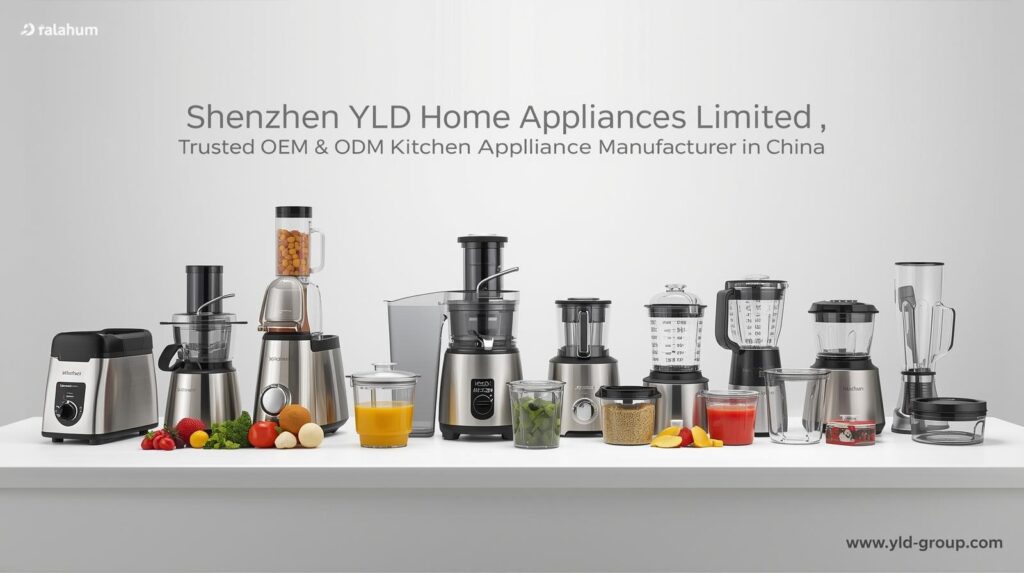
Shenzhen YLD Home Appliances Limited is a professional kitchen appliance manufacturer based in China, specializing in OEM and ODM solutions for global brands, importers, wholesalers, and retailers. With a strong focus on product innovation, quality control, and export efficiency, we help partners build competitive and profitable appliance product lines.
- OEM & ODM Manufacturing: Complete private label and custom product development solutions tailored to your market requirements.
- Product Development & Engineering: In-house R&D support for structure design, functionality upgrades, and cost optimization.
- Strict Quality Control System: Multi-stage quality inspections from raw materials to final packaging to ensure international standards compliance.
- Export Experience & Global Compliance: Familiar with CE, CB, RoHS, LFGB, and other international certification requirements.
- Flexible Production Capacity: Capable of handling bulk wholesale orders with stable lead times and consistent output.
- Competitive Pricing Structure: Direct factory supply chain advantages for better cost control and long-term partnership stability.
Final Thoughts
China remains the global leader in kitchen home appliances. It offers products that combine innovation, quality, and affordability. Buyers can choose from large appliances, small devices, smart products, and multifunctional solutions. For B2B buyers, China provides strong OEM and ODM opportunities. International buyers can fully benefit from China’s innovation-driven kitchen appliance industry.
Most Asked Questions
Q1: Why are Chinese kitchen home appliances popular worldwide?
Answer: China offers strong manufacturing infrastructure, advanced production technology, and cost-efficient supply chains. Many factories provide OEM and ODM services, allowing global brands to customize products. Competitive pricing combined with large-scale production makes Chinese appliances attractive for international buyers.
Q2: What certifications should I check before importing kitchen appliances from China?
Answer: Common certifications include CE, CB, GS, RoHS, LFGB, and ETL, depending on the target market. Buyers should also verify factory audits, quality control systems, and product testing reports to ensure compliance with local regulations.
Q3: Are Chinese kitchen appliances suitable for private label business?
Answer: Yes. Most manufacturers offer private labeling, customized packaging, logo printing, and product modifications. This makes China one of the most preferred sourcing destinations for brand owners, wholesalers, and Amazon sellers.
Q4: What are the most in-demand kitchen appliances from China?
Answer: High-demand products include blenders, air fryers, electric kettles, food processors, coffee grinders, rice cookers, and multifunctional cooking appliances. Smart kitchen devices are also growing rapidly in international markets.
Q5: How can I choose the best kitchen appliance supplier in China?
Answer: Evaluate suppliers based on production capacity, export experience, quality control procedures, certification compliance, and communication efficiency. Request samples, conduct factory audits (if possible), and compare pricing structures before finalizing long-term cooperation.
