


The global market for small kitchen appliances continues to expand as consumers demand convenient, stylish, and energy-efficient kitchen solutions. Among the many product categories available, white kitchen appliances remain one of the most consistent and profitable segments for wholesalers, distributors, and private label brands.
Shenzhen YLD Home Appliances Co., Ltd., companies can develop customized appliances, establish private label brands, and supply modern kitchen solutions to international markets.
For importers, distributors, retailers, and private label brands, OEM white and gold kitchen appliances present a significant business opportunity. By partnering with experienced manufacturers, businesses can develop their own branded product lines while benefiting from established production systems and global supply chains.
Today, our team will explains how OEM white appliances kitchen work. We will also give an information why they are attractive for distributors and private label brands. However, we will also give a guide how businesses can successfully build a profitable appliance product line.
Global Market Demand for White Kitchen Appliances
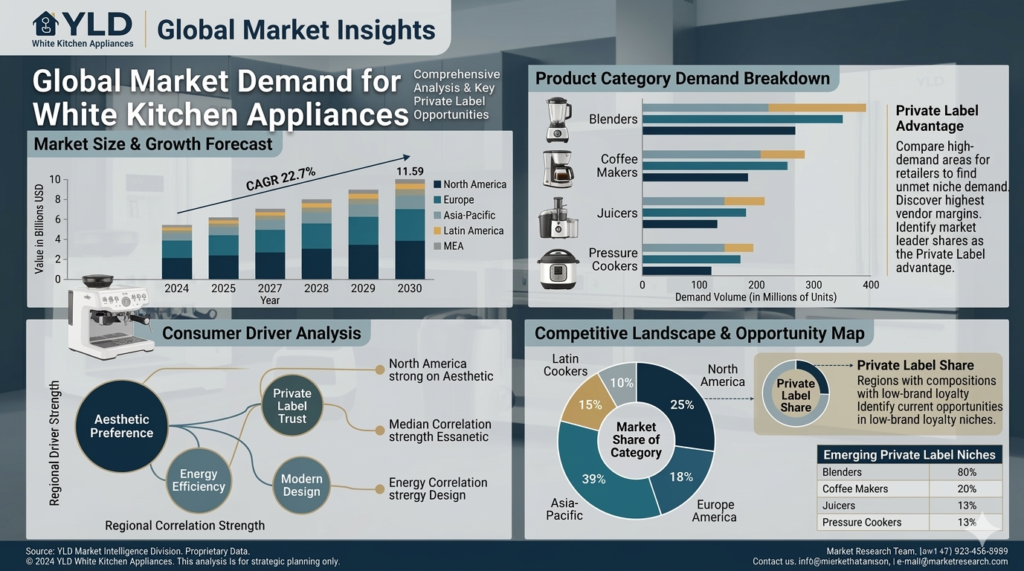
White kitchen appliances have remained a staple in residential kitchens worldwide. On the other side, stainless steel and black finishes are trending in premium segments. Therefore, white appliances continue to dominate in many retail markets because they offer:
- A clean and minimal aesthetic that matches most kitchen interiors
- Affordable pricing, making them accessible for mass markets
- High demand in rental properties, apartments, and new housing developments
- Strong popularity in online retail marketplaces
Small white appliances such as blenders, electric kettles, food choppers, mixers, and juicers are especially popular among consumers who want practical and compact kitchen tools.
For distributors and wholesalers, these products provide:
- Consistent year-round demand
- Easy logistics due to compact packaging
- High retail turnover in both physical stores and e-commerce platforms
Because of these advantages, many retailers and Amazon sellers are now launching private label appliance brands instead of selling only third-party products.
Why Private Label Kitchen Appliances Are a Strategic Opportunity?
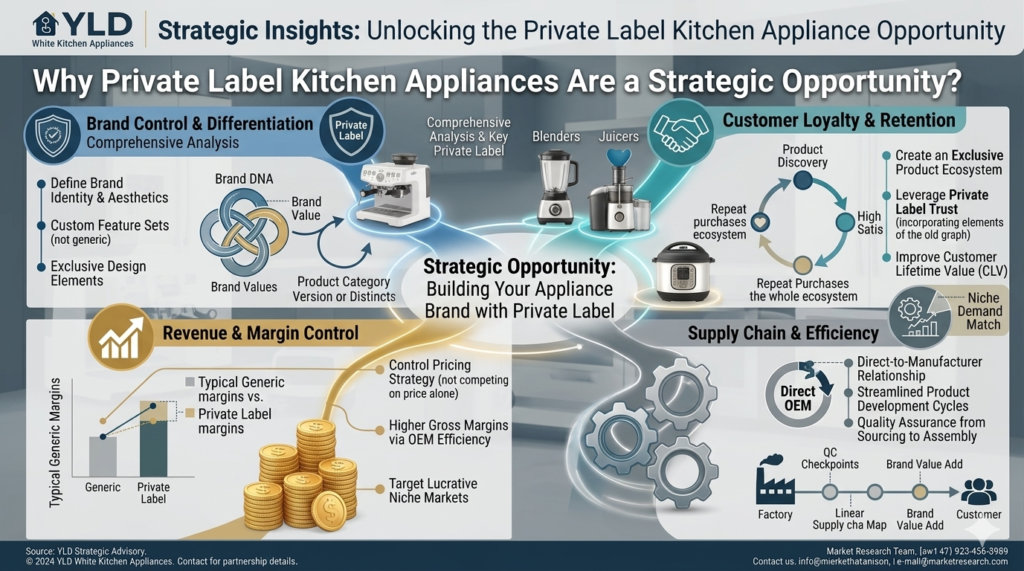
In the past, most retailers and distributors relied on established international appliance brands to supply their stores. However, the rapid expansion of e-commerce and global manufacturing networks has changed this business model.
Today, many businesses prefer to launch private label appliance brands instead of selling only third-party products.
Private labeling allows companies to collaborate directly with manufacturers to produce appliances under their own brand identity.
This strategy provides several key advantages.
Stronger Profit Margins
Private label brands remove several layers of brand distribution. So, it allow businesses to control pricing and maintain higher margins.
Instead of paying for brand premiums, distributors can source directly from manufacturers and build their own product positioning.
Brand Ownership
Owning a brand allows businesses to create long-term value instead of relying on external manufacturers.
With a recognizable brand identity, companies can establish stronger customer loyalty and expand into multiple product categories.
Greater Product Control
Private label brands can customize product features to suit local market demand.
For example, a retailer selling in Europe may prefer appliances with specific voltage configurations, while an online seller may prioritize compact designs suitable for small apartments.
Differentiation in Competitive Markets
In crowded marketplaces such as Amazon or large retail chains, having a unique brand identity helps products stand out from competitors.
Customized packaging, distinctive color variations, and improved product features can significantly increase retail visibility.
For these reasons, many distributors and online sellers now view OEM appliance manufacturing as a core business strategy rather than a secondary sourcing option.
Real Business Concerns of B2B Appliance Buyers
While the opportunity is attractive, buyers often face several practical challenges when sourcing kitchen appliances from overseas suppliers.
Understanding these concerns is essential for both manufacturers and private label brands.
Product Profitability
Distributors must carefully select products that generate consistent retail demand and sustainable profit margins.
They often evaluate questions such as:
- Which appliances sell best in my market?
- Which product categories generate high retail turnover?
- Which appliances have the strongest consumer demand trends?
Products like blenders, electric kettles, juicers, and food choppers consistently perform well because they are affordable and widely used.
Product Reliability
Retailers and e-commerce sellers depend on product reliability to avoid costly returns and negative customer feedback.
Poor product quality can damage brand reputation and lead to increased warranty costs.
Therefore, buyers prioritize manufacturers that implement strict quality control procedures throughout the production process.
Certification and Compliance
Many international markets enforce strict safety regulations for electrical appliances.
Without proper certification, products cannot legally enter certain markets.
For example:
North American Market
Buyers typically require certifications such as:
- UL Certification
- ETL Certification
- FCC Certification
- Energy Star
These standards ensure electrical safety and energy efficiency.
European Market
Appliances sold in Europe must comply with:
- CE Certification
- GS Certification
- RoHS Compliance
- LFGB food safety standards
These regulations verify product safety, environmental responsibility, and food-contact material compliance.
Australian Market
Appliances imported into Australia and New Zealand usually require RCM Certification, which confirms electrical and electromagnetic safety standards.
For importers and distributors, sourcing appliances from factories with existing certification experience greatly simplifies market entry.
Manufacturing Capabilities Buyers Should Evaluate
Serious buyers rarely choose suppliers based solely on product pricing. Instead, they evaluate the manufacturing capability and long-term reliability of a supplier.
A professional kitchen appliance manufacturer typically offers:
Advanced Production Lines
Modern assembly lines improve production efficiency while ensuring consistent product quality.
These systems allow factories to produce large volumes while maintaining strict manufacturing standards.
Professional Engineering Teams
Experienced engineering teams support product development, structural design, and electrical system integration.
This expertise is especially valuable for private label brands seeking customized appliance features.
Quality Control Systems
Quality inspection processes usually include:
- Component testing
- Electrical safety testing
- Durability testing
- Final product inspection
These procedures ensure that appliances meet international safety and performance standards.
Global Export Experience
Factories with strong export experience understand the logistics, documentation, and certification requirements necessary for international trade.
Shenzhen YLD Home Appliances Co., Ltd. support international partners through OEM and ODM services designed specifically for distributors, retailers, and private label brands.
High-Demand White Kitchen Appliances for Private Label Brands
One of the first decisions private label buyers must make is selecting the right product categories. The best appliance products typically combine strong consumer demand, manageable production costs, and practical functionality.
Kitchen appliances white are especially attractive because they remain widely accepted across multiple retail segments.
Below are several appliance categories that perform well in wholesale and retail markets.
Blender Sets

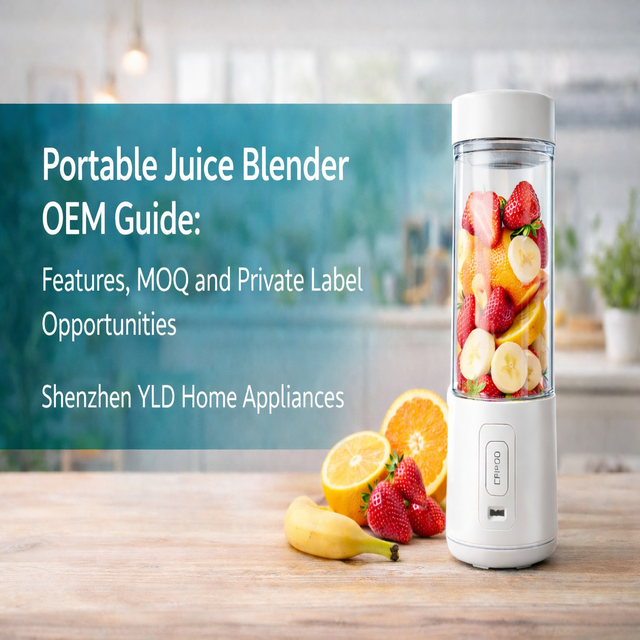
Blenders are among the most essential kitchen appliances used in homes worldwide. From preparing smoothies and soups to blending sauces and baby food, blenders offer everyday functionality that appeals to a broad range of consumers.
Private label blender products may include:
- Standard countertop blenders
- Personal smoothie blenders
- Multifunction blender sets
- High-power professional blenders
Blender sets are particularly popular because they often include additional accessories such as grinding cups, chopping containers, or portable bottles.
For distributors, these appliances provide high retail demand and frequent repeat purchasing opportunities.
Electric Kettles
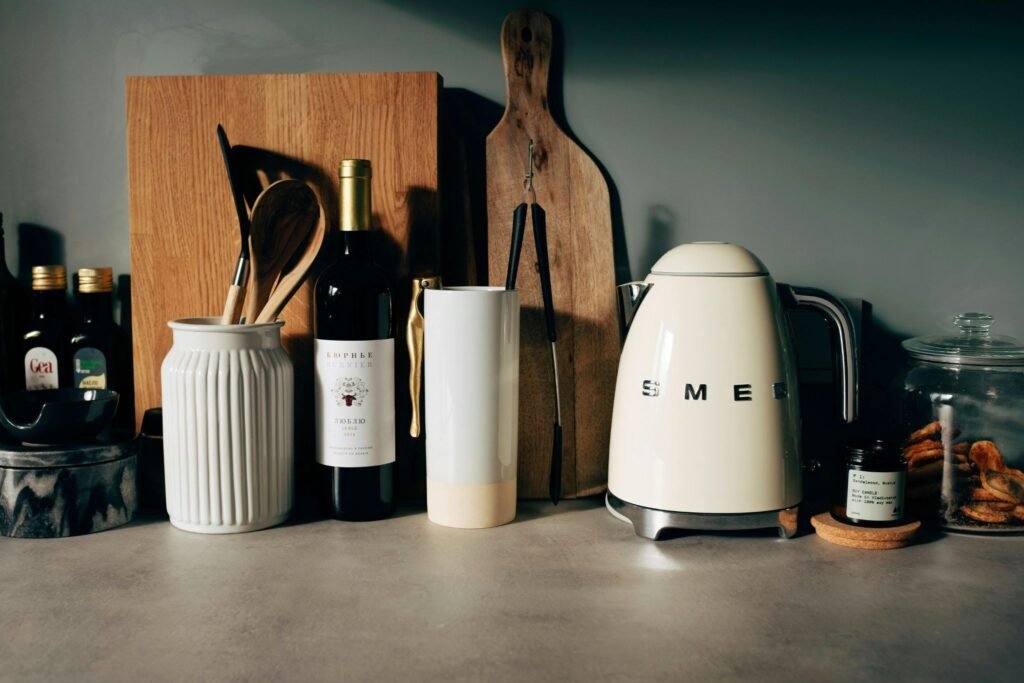
Electric kettles remain one of the fastest-selling small appliances in many international markets.
They are especially popular in:
- Europe
- Asia
- Middle East
- Australia
Consumers value electric kettles for their fast boiling speed, energy efficiency, and convenience.
Private label brands often differentiate electric kettles through:
- Unique handle designs
- Temperature control functions
- Stainless steel heating elements
- Modern LED indicators
Because of their relatively simple technology and compact packaging, electric kettles are an excellent product for large-scale wholesale distribution.
Food Choppers
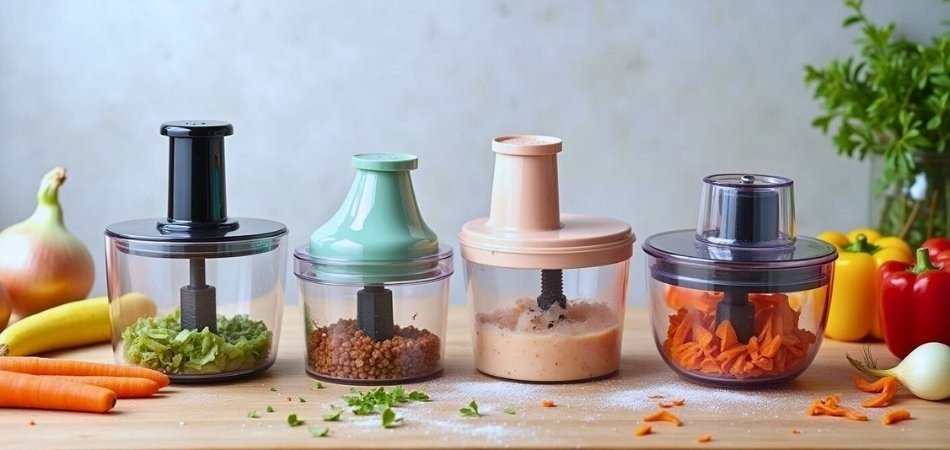
Food choppers appeal to consumers who want to reduce meal preparation time. These appliances allow users to quickly chop vegetables, herbs, nuts, and other ingredients.
Popular product variations include:
- Manual push choppers
- Electric mini choppers
- Multifunction chopping systems
With the rise of home cooking and meal preparation trends, food choppers have become common household appliances across many regions.
Private label brands often promote them as time-saving kitchen solutions for busy lifestyles.
Hand Mixers and Compact Stand Mixers

Baking has become increasingly popular among home cooks, creating strong demand for mixers.
Hand mixers offer several advantages:
- Lightweight design
- Affordable pricing
- Easy storage
Meanwhile, compact stand mixers attract consumers who want more advanced baking capabilities but prefer smaller appliances than traditional commercial mixers.
Private label brands can customize mixers through:
- Power settings
- Bowl capacity
- Accessory attachments
- Ergonomic designs
Juicer Machines
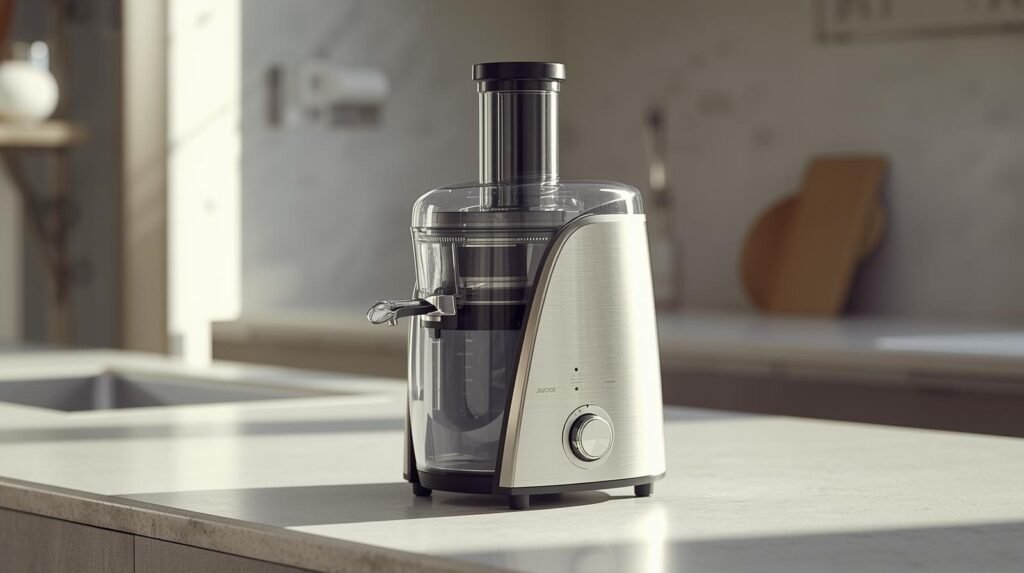
Health and wellness trends have significantly increased demand for juicers. Many consumers now prefer fresh fruit and vegetable juices instead of packaged beverages.
Common private label juicer models include:
- Centrifugal juicers
- Slow masticating juicers
- Citrus juicers
Retailers frequently bundle juicers with complementary appliances such as blenders or food processors to create complete kitchen appliance collections.
OEM VS ODM Customization for Private Label Brands
One of the biggest advantages of sourcing appliances from professional manufacturers is the ability to customize products through OEM & ODM services.
These services allow private label brands to develop unique products without building their own factories.
OEM Manufacturing
OEM (Original Equipment Manufacturer) production focuses on customizing existing product designs.
This is the most common approach for new private label brands because it allows faster product launch with lower development costs.
OEM customization typically includes:
- Brand logo printing
- Custom product colors
- Packaging design
- Instruction manuals with brand identity
- Barcode and labeling customization
Through OEM manufacturing, distributors and retailers can create products that appear fully branded while using reliable factory-developed designs.
ODM Product Development
ODM (Original Design Manufacturer) services go a step further by allowing brands to develop completely new appliance models.
This option is ideal for businesses seeking strong differentiation in competitive markets.
ODM development may involve:
- Unique product shapes
- New functional features
- Customized control panels
- Innovative kitchen appliance concepts
Although ODM projects require longer development timelines, they allow brands to build more distinctive product portfolios.
Shenzhen YLD Home Appliances Co., Ltd. provide both OEM or ODM services to support international appliance distributors and private label businesses.
Quality Control in Kitchen Appliance Manufacturing
For international buyers, quality control is one of the most important factors when selecting a supplier.
Professional appliance factories implement structured inspection systems to ensure product safety and reliability.
Typical quality control processes include several stages.
Raw Material Inspection
Factories verify the quality of components such as motors, heating elements, and plastic materials before production begins.
Food-contact materials are often tested to ensure compliance with international safety regulations.
Production Line Inspection
During the assembly process, technicians monitor:
- Motor installation
- Wiring systems
- Heating components
- Structural integrity
Regular inspections help identify potential issues before appliances reach the final assembly stage.
Electrical Safety Testing
Electrical kitchen appliances must undergo rigorous safety testing to ensure stable and secure operation during daily use.
Manufacturers typically conduct tests such as voltage stability, insulation resistance, and grounding verification to confirm compliance with international electrical safety standards.
Final Product Testing
Before shipment, finished appliances are carefully inspected to verify overall product performance and build quality.
These inspections usually evaluate performance efficiency, durability, visual appearance, and packaging integrity to minimize defects and ensure reliable products for global markets.
Visiting Appliance Factories and Trade Exhibitions
Serious buyers often prefer to evaluate manufacturers through factory visits or industry exhibitions.
Visiting manufacturing facilities allows buyers to:
- Inspect production lines
- Evaluate quality control systems
- Discuss product customization directly with engineers
One of the most important sourcing events for appliance buyers is the Canton Fair, where manufacturers showcase new products and meet international distributors.
Trade exhibitions provide valuable opportunities to:
- Compare suppliers
- Evaluate product quality
- Negotiate bulk purchasing agreements
For buyers sourcing kitchen appliances from China, attending these exhibitions can significantly reduce sourcing risks.
Key Factors to Consider When Choosing an OEM Appliance Supplier
Before selecting a manufacturing partner, buyers should evaluate several critical factors.
Manufacturing Capability
Confirm that the supplier operates modern production lines capable of supporting large-scale orders.
Certification Compliance
Ensure the manufacturer can produce appliances that meet regulatory requirements in your target markets.
Customization Options
Suppliers should offer OEM or ODM services to support brand development.
Quality Control Systems
Reliable factories maintain structured inspection procedures throughout the production process.
Communication and Support
Strong communication is essential for managing product development, logistics coordination, and long-term cooperation.
By carefully evaluating these factors, private label brands can significantly reduce sourcing risks and build sustainable supply chains.
Conclusion
OEM white kitchen appliance set offer an excellent opportunity for private label brands, distributors, and appliance retailers looking to expand their product portfolios.
By working with experienced manufacturers, businesses can launch branded appliances while ensuring product reliability, certification compliance, and stable supply chains.
Shenzhen YLD Home Appliances Co., Ltd. support global partners with professional appliances manufacturing, product customization services, and export expertise.
Get in touch with us today to explore our high-quality appliance range and see how our OEM solutions can enhance your product lineup.