


Proper cleaning and maintenance of a commercial coffee brewer machine directly impact performance, cost efficiency, and business profitability. To clean commercial coffee brewer machine effectively, follow a daily cleaning routine, weekly deep cleaning, and monthly descaling process. Regular commercial coffee machine maintenance improves machine performance, ensures consistent coffee quality, and reduces long-term repair costs.
For B2B buyers, maintenance is not just a routine task. It determines equipment lifespan, after-sales costs, and operational stability.
In this guide, you will learn a structured cleaning process, maintenance schedule, and practical strategies. With this guide, you can improve machine performance and reduce business risks.
Why Maintenance Matters for Business Profitability
According to global food safety standards, proper cleaning and maintenance of beverage equipment are essential to ensure hygiene and prevent contamination in commercial environments.
In commercial environments such as cafes, hotels, and offices, coffee machines operate continuously under high demand. Poor maintenance leads to inconsistent coffee quality, machine breakdowns, and customer dissatisfaction.
From a business perspective, regular maintenance reduces repair costs, minimizes downtime, and ensures stable daily operations. Even small maintenance delays can result in service interruptions during peak hours, directly impacting revenue.
For distributors and importers, machine maintenance also affects product reputation in the market. Equipment that performs reliably builds long-term trust with customers and reduces after-sales service issues.
Commercial Coffee Machine Maintenance: Step-by-Step Cleaning Process (Daily Routine)
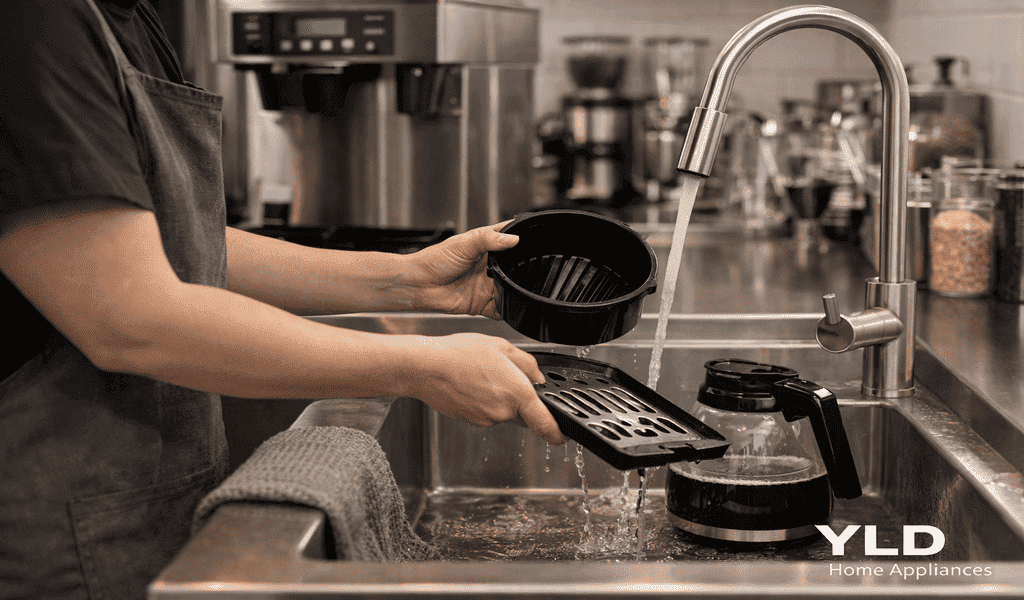
Step 1: Turn Off and Cool Down the Machine
Always switch off the machine and allow it to cool before starting the cleaning process. This ensures safety and prevents damage to internal components.
Step 2: Remove and Clean Detachable Parts
Remove components such as filter baskets, carafes, and drip trays from the machine. Wash them thoroughly using warm water and mild detergent.
This step helps eliminate coffee residue and prevents contamination. Clean parts ensure better hygiene and improved coffee taste.
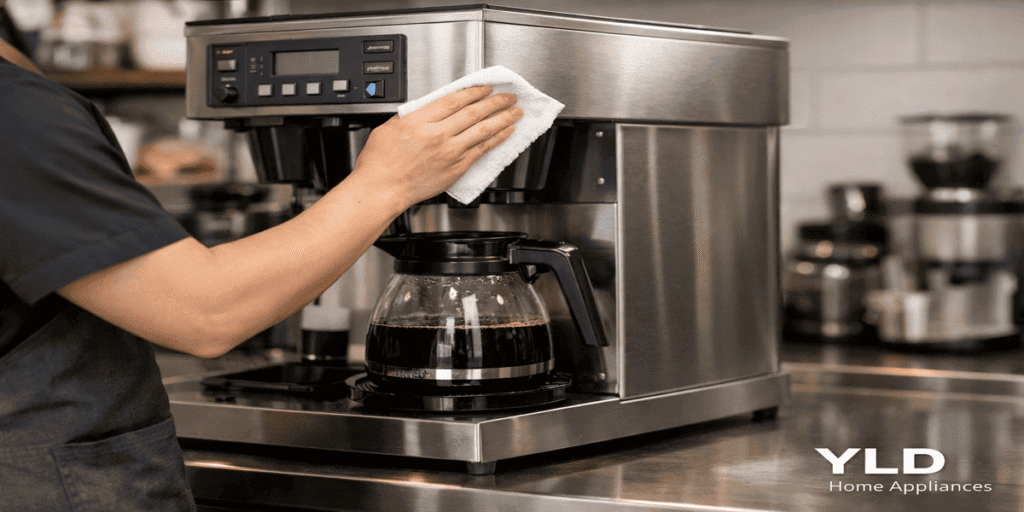
Step 3: Wipe External Surfaces
Use a soft cloth to clean the outer body of the machine regularly. This removes stains, dust, and coffee spills that accumulate during operation.
Keeping the exterior clean also improves the professional appearance of your equipment. This is important for customer-facing environments.
Step 4: Clean the Brewing Area
The brewing area collects coffee oils and residues that affect flavor over time. Use a cleaning brush or cloth to remove buildup from this section.
Regular cleaning of the brewing system ensures consistent extraction quality. It also prevents clogging and machine inefficiency.
For a complete overview of machine categories, read our guide on
7 Types of Commercial Coffee Brewer Machines: Complete B2B Buying Guide (2026)
Weekly Deep Cleaning Process
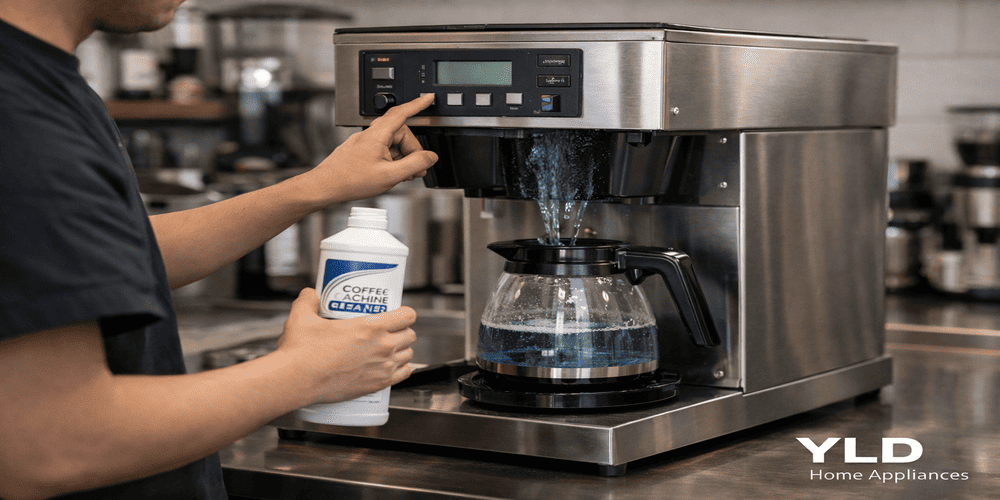
Step 5: Use Professional Cleaning Solution
Apply a recommended cleaning solution to remove internal coffee oil buildup. Follow manufacturer instructions to ensure safe and effective cleaning.
Running a cleaning cycle helps clean internal pipes and brewing systems. This improves machine performance and coffee consistency.
Step 6: Rinse Thoroughly After Cleaning
After using cleaning chemicals, rinse the machine with clean water multiple times. This removes any residue that could affect coffee taste.
Proper rinsing ensures safe operation and maintains beverage quality. It is a critical step that should never be skipped.
Descaling Process (Monthly or Based on Usage)
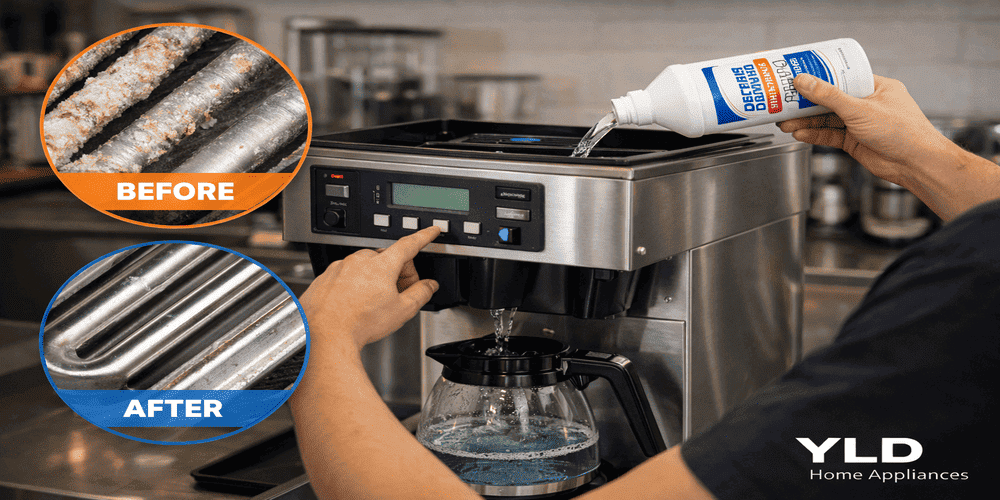
Step 7: Identify Mineral Buildup Issues
Hard water causes mineral deposits inside the machine, reducing efficiency over time. Signs include slow brewing, unusual noise, or inconsistent temperature.
Step 8: Apply Descaling Solution
Use a commercial descaling solution designed for coffee machines. Run the descaling cycle according to manufacturer guidelines.
Water quality plays a major role in machine performance, as mineral buildup from hard water can significantly reduce equipment efficiency over time.
This removes internal scale buildup and restores heating efficiency. It also extends the lifespan of machine components.
Step 9: Flush the System Completely
After descaling, flush the machine with fresh water several times. This ensures no chemical residue remains inside the system.
Clean internal systems improve performance and maintain coffee flavor quality. This step is essential for safe operation.
How Machine Design Impacts Maintenance Efficiency
Maintenance is not only about routine cleaning. The design and build quality of the machine play a major role in how easy and cost-effective maintenance will be.
High-quality commercial coffee machines are designed with removable components, efficient internal water systems, and durable materials that reduce residue buildup and scaling issues.
For B2B buyers, selecting machines that are easy to clean and maintain can significantly reduce long-term operational costs. Machines with poor design often require frequent servicing and higher maintenance effort.
Working with an experienced OEM manufacturer ensures that machines are engineered for both performance and maintenance efficiency. This is a critical factor when sourcing equipment for long-term business use.
Recommended Maintenance Schedule
The following table provides a clear overview of recommended maintenance frequency and tasks for commercial coffee machines in business environments.
| Frequency | Task |
| Daily | Clean removable parts and exterior |
| Weekly | Deep clean brewing system |
| Monthly | Descale machine and inspect components |
| Quarterly | Check internal parts and performance |
How Maintenance Directly Impacts Business ROI
Proper maintenance has a direct impact on business profitability and operational stability.
Well-maintained machines consume less energy, operate efficiently, and deliver consistent output. This reduces electricity costs and improves workflow efficiency.
On the other hand, poorly maintained machines lead to frequent breakdowns, repair expenses, and lost sales during downtime. In high-volume environments, even a short interruption can result in significant revenue loss.
For business owners and distributors, maintenance is not just a routine task but a strategic factor that influences long-term return on investment.
You can read our guide:
Commercial Coffee Machine Vs Espresso Machine: Which One Actually Fits Your Business Model in 2026?
Why Maintenance Should Be Considered Before Purchasing
Many buyers focus only on price and features when selecting a commercial coffee machine. However, maintenance requirements are equally important.
Machines that are difficult to clean or require frequent descaling can increase long-term costs and operational complexity.
Before purchasing, businesses should evaluate factors such as ease of cleaning, availability of spare parts, and manufacturer support. Choosing the right supplier ensures that maintenance remains simple and cost-effective over time.
Common Maintenance Mistakes to Avoid
Mistake 1: Skipping Daily Cleaning
Many businesses ignore daily cleaning routines, leading to buildup of coffee residue. This negatively affects taste and machine performance.
Mistake 2: Using Incorrect Cleaning Products
Using harsh or unsuitable chemicals can damage machine components. Always use manufacturer-approved cleaning solutions.
Mistake 3: Ignoring Water Quality
Poor water quality leads to faster mineral buildup inside the machine. Installing a water filtration system can reduce maintenance requirements.
Mistake 4: Delaying Repairs
Ignoring small issues can lead to major equipment failures over time. Early detection helps avoid costly repairs and downtime.
OEM Perspective: Why Supplier Quality Matters
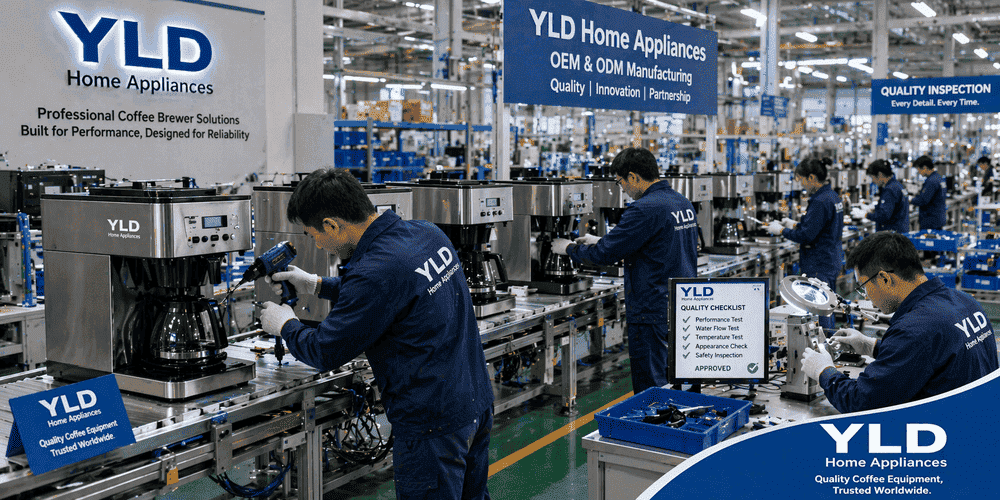
Choosing the right OEM manufacturer not only improves product quality but also simplifies maintenance for end users.
Maintenance efficiency is closely linked to the quality of the machine and the expertise of the manufacturer.
Reliable OEM manufacturers design machines with durable components, optimized internal systems, and user-friendly structures that simplify cleaning and maintenance.
For businesses sourcing in bulk, choosing the right supplier ensures consistent product quality, reduced maintenance issues, and better long-term performance.
Partnering with an experienced manufacturer helps minimize operational risks and improves overall equipment reliability in commercial environments.
For full supplier selection strategy, read:
Commercial Coffee Brewer Machine: How to Choose the Right OEM Manufacturer for Bulk Orders in 2026
When to Upgrade Your Coffee Machine
Even with proper maintenance, machines may lose efficiency over time. Older machines can consume more energy and require frequent repairs.
Upgrading to newer models improves performance, reduces maintenance effort, and enhances customer experience. This is important for growing businesses.
Final Thoughts
If you want to reduce maintenance costs and improve machine performance, choose equipment designed for durability and easy cleaning. A clean commercial coffee brewer machine ensures better efficiency and consistent daily operation.
For importers and distributors, the right supplier makes a big difference. Strong focus on commercial coffee machine maintenance leads to fewer issues, lower servicing costs, and higher customer satisfaction.
YLD Home Appliances provides commercial coffee machines built for long-term reliability, bulk orders, and OEM customization.
Contact YLD Home Appliances today to explore high-performance coffee machine solutions tailored for your business needs.
Frequently Asked Questions
Q1. How often should you clean a commercial coffee brewer machine?
Answer: A clean commercial coffee brewer machine requires daily cleaning for hygiene and performance. Following a proper coffee machine cleaning process ensures consistent coffee quality. Regular cleaning also supports effective commercial coffee machine maintenance in high-demand environments.
Q2. What is the correct coffee machine cleaning process for businesses?
Answer: A proper coffee machine cleaning process includes removing detachable parts, cleaning brewing areas, and wiping surfaces. To maintain commercial coffee machine performance, businesses should follow structured coffee brewer cleaning steps daily.
Q3. How do you descale a commercial coffee brewer machine properly?
Answer: A coffee machine descaling guide recommends using approved descaling solutions to remove mineral buildup. A well-executed coffee machine descaling guide improves efficiency and helps keep a clean commercial coffee brewer machine for long-term use.
Q4. How can you maintain a commercial coffee machine for long-term performance?
Answer: To maintain commercial coffee machine performance, businesses must follow daily cleaning and periodic maintenance schedules. Proper commercial coffee machine maintenance reduces downtime and ensures consistent operation in commercial environments.
Q5. What are the essential coffee brewer cleaning steps for daily maintenance?
Answer: Effective coffee brewer cleaning steps include cleaning filters, washing removable parts, and wiping the machine exterior. Following these coffee brewer cleaning steps helps keep a clean commercial coffee brewer machine and improves overall machine lifespan.