

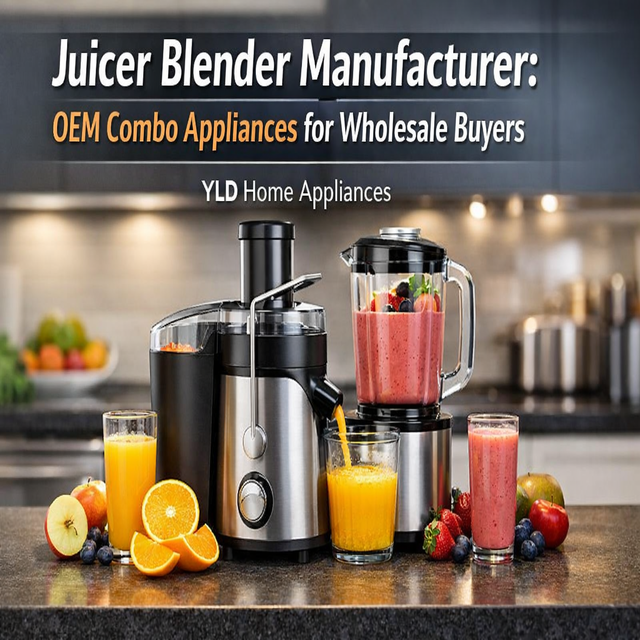

In today’s competitive kitchen appliance market, selecting the right juicer blender manufacturer is no longer just about price. It is about reliability, customization, and long-term business scalability. For distributors, importers, and private label brands, combining a juicer and blender into one appliance (combo units) offers significant advantages in both product positioning and profit margins.
The demand for multifunctional kitchen appliances has increased significantly, and combo units that integrate both juicing and blending functions are becoming a preferred choice. For wholesale buyers, working with a professional OEM blender supplier or a reliable blender factory China can directly impact profitability, product positioning, and long-term brand success.
This guide is tailored for wholesale buyers and B2B importers seeking high-quality combo appliances. It explains how to effectively source from professional blender factories in China and other global manufacturing hubs.
What is a Juicer Blender Combo Appliance?
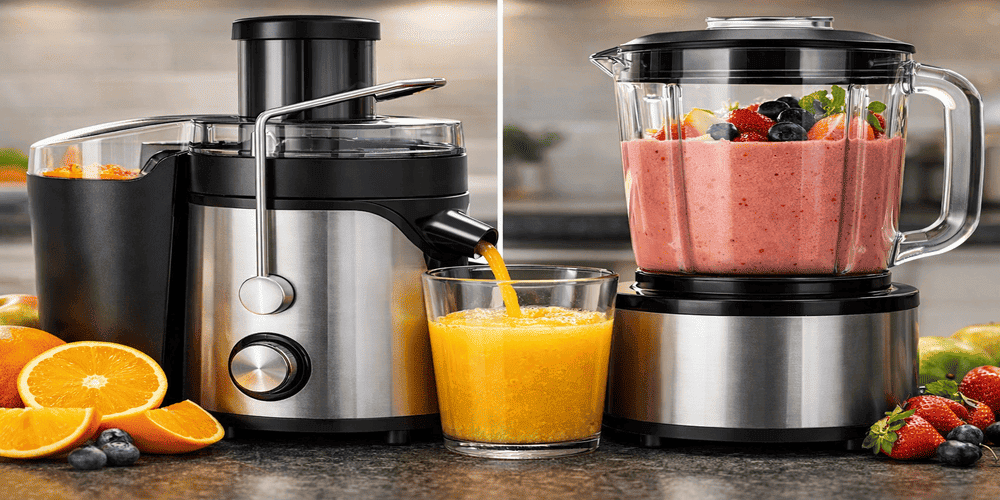
A juicer blender combo appliance is a multifunctional kitchen machine that combines juice extraction and blending into a single unit. It offers convenience, saves space, and reduces overall cost for end users. This makes it a highly attractive product for both residential customers and commercial buyers.
For B2B importers and distributors, sourcing from a reliable juicer blender manufacturer ensures better product quality, consistent performance, and full OEM customization. These appliances are widely used for making fresh juices, smoothies, shakes, and light food processing, which increases their demand in global markets.
Core Functions, Technical Specs & Key Parameters
Before choosing a product from any juicer blender manufacturer, it is important for buyers to understand the main functions, technical details, and performance levels of the machine.
| Feature | Technical Details | Key Parameters |
| Juice Extraction | High speed system with pulp separation technology | Extraction efficiency 70% to 85% depending on design |
| Blending Function | Smooth blending for smoothies, shakes, and sauces | Blending speed up to 18000 to 25000 RPM |
| Motor Power | 300W to 1500W range for home and commercial use | Continuous operation time 3 to 10 minutes per cycle |
| Blade Quality | Stainless steel blades with 4 to 6 leaf design | Blade hardness 45 to 55 HRC for durability |
| Jar Capacity | 1.5L to 2.0L with glass or BPA free plastic options | Filling capacity optimized for 2 to 6 servings |
| Safety System | Overheat protection with safety lock mechanism | Auto shut off temperature range 120°C to 150°C |
A professional OEM blender supplier or combo appliance supplier provides
- Logo branding
- Packaging design
- Voltage and plug customization
- Material upgrades (glass vs plastic jars)
This helps buyers build a strong presence in the competitive wholesale juicer blender market.
Why Demand for Combo Appliances is Growing
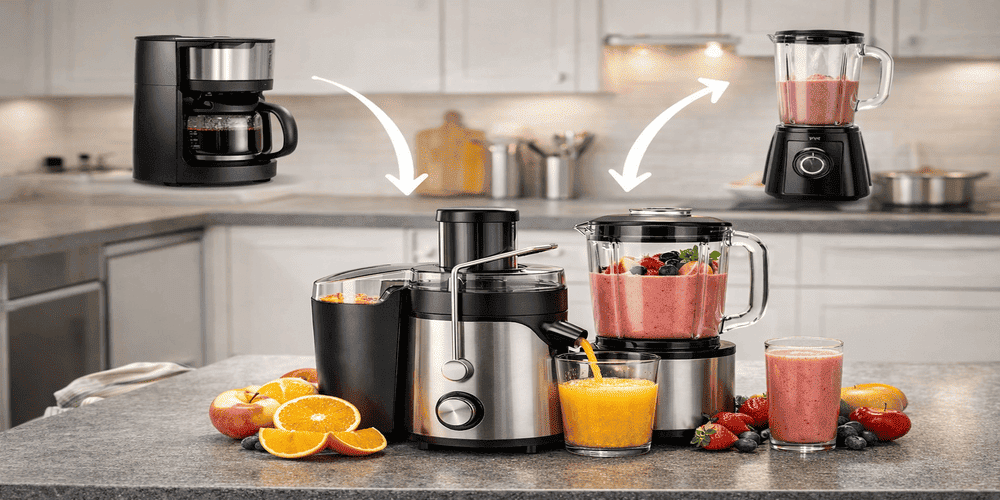
The rising demand for wholesale juicer blender products is driven by both consumer behavior and retail economics.
1. Space-Saving Design
Consumers prefer appliances that reduce kitchen clutter. A single combo unit replaces two machines.
2. Cost Efficiency
Retail buyers get better value, while wholesalers benefit from:
- Lower shipping costs
- Reduced SKU complexity
- Higher perceived product value
3. Health & Lifestyle Trends
With increased awareness of healthy living, demand for fresh juice and smoothies has surged making these appliances a high demand retail product.
OEM vs ODM: What B2B Buyers Need to Know
When working with an OEM blender supplier, it’s essential to understand the difference between OEM and ODM models.
| Factor | OEM (Original Equipment Manufacturer) | ODM (Original Design Manufacturer) |
| Product Design | Buyer provides design | Supplier provides design |
| Branding | Fully customizable | Limited customization |
| Cost | Higher initial cost | Lower upfront cost |
| Differentiation | High | Moderate |
| Best For | Established brands | Startups or quick launch |
For businesses aiming to build a strong brand identity, OEM is the preferred approach when sourcing from a blender factory China.
Key Factors to Evaluate a Juicer Blender Manufacturer
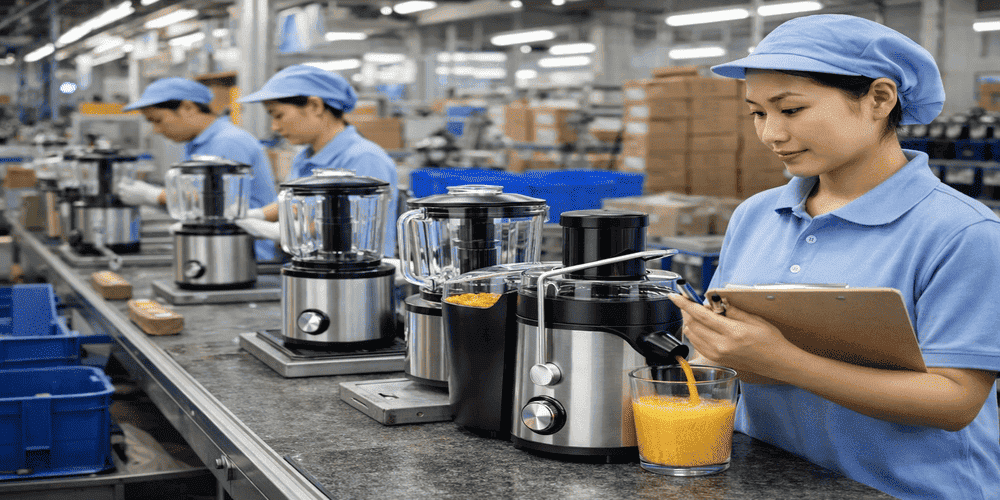
Selecting the right juicer blender manufacturer is not just about comparing prices. It requires a detailed evaluation of production strength, compliance standards, and customization capabilities. Each factor plays a different role in ensuring product quality and long term business success.
1. Manufacturing Capability
The first thing to assess is whether the supplier is a real factory or just a trading company. A strong manufacturer usually operates complete production systems, including motor assembly, molding, and final product testing.
When these processes are handled in house, it improves quality control and reduces delays. It also allows the factory to handle large volume orders more efficiently, which is important for growing B2B buyers.
2. Certifications and Compliance
If your target market is international, certifications are not optional they are mandatory. Products without proper compliance can face customs rejection or legal issues.
Look for globally accepted standards such as CE, RoHS, and ISO certification. For food related appliances, material safety approvals are equally important. A certified juicer blender manufacturer ensures smoother import processes and builds trust with your customers.
3. Product Quality and Testing
Instead of relying only on product images or specifications, serious buyers always test samples. This helps you understand real performance such as motor strength, noise level, and overall durability.
In addition, professional suppliers provide technical reports and testing data. These documents give you a clearer idea about product lifespan and consistency, which is critical for reducing returns and complaints.
4. OEM and ODM Capabilities
In a competitive wholesale juicer blender market, selling generic products is not enough. Customization is what helps your brand stand out.
A capable supplier should offer OEM services like logo printing, packaging design, and feature adjustments. Some manufacturers also provide ODM options, allowing buyers to quickly launch products using existing designs with minor changes.
5. MOQ and Pricing Structure
Pricing should always be evaluated beyond the unit cost. Factors like minimum order quantity, bulk discounts, and tooling charges can significantly impact your total investment.
For new buyers, a supplier with flexible MOQ is more suitable, while experienced importers may focus on better pricing at higher volumes. A reliable OEM blender supplier will provide clear and transparent pricing without hidden costs.
Why Global Buyers Choose Blender Factories in China for Wholesale Supply
China remains the global hub for kitchen appliance manufacturing, especially for wholesale juicer blender products.
1. Cost Efficiency
Lower labor and material costs allow Chinese factories to offer competitive pricing without compromising quality.
2. Advanced Manufacturing Ecosystem
Most blender factory China suppliers operate within industrial clusters, ensuring:
- Faster component sourcing
- Better supply chain coordination
- Reduced production delays
3. Strong OEM Expertise
Chinese manufacturers have extensive experience working with international brands, making them ideal partners for:
- Private label businesses
- E-commerce sellers
- Large-scale distributors
How B2B Buyers Should Source Juicer Blender Appliances
A structured sourcing process is essential when working with a juicer blender manufacturer. It helps reduce risk, improve product quality, and ensure better return on investment for importers and wholesale buyers.
Step 1: Define Product Specifications Clearly
Start by defining exactly what type of juicer blender you want to source. This includes your target market, required motor power, jar material, and branding requirements.
Clear specifications help the OEM blender supplier understand your expectations and reduce the chances of production errors. It also makes supplier comparison easier and more accurate.
Step 2: Search and Shortlist Reliable Suppliers
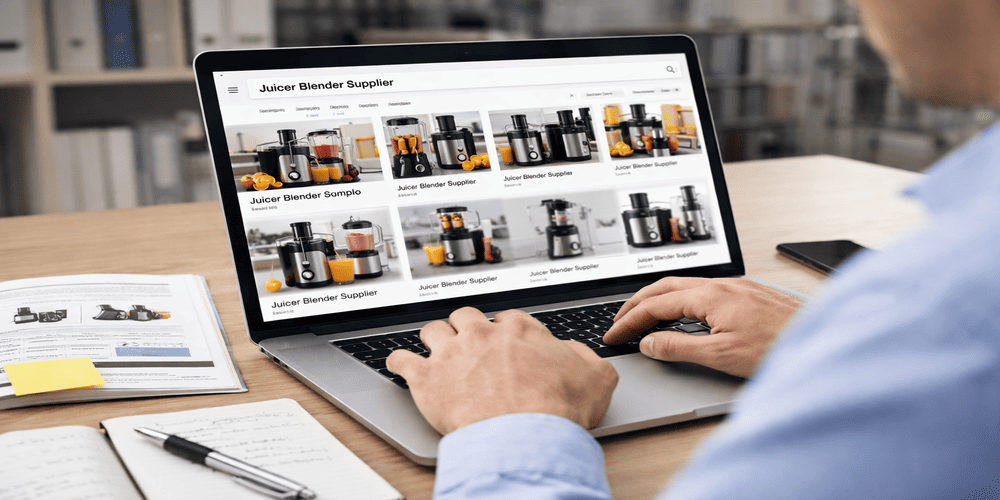
Once your requirements are clear, the next step is to find the right suppliers. Focus on companies that have proven export experience and a strong manufacturing background.
To simplify the process, you can use the following key sourcing methods:
Supplier Search Methods for B2B Buyers
| Method | How to Search | Key Benefit |
| B2B Platforms | Search keywords like juicer blender manufacturer on Alibaba | Access to verified global suppliers |
| Google Search | Use terms like blender factory China | Find direct factory websites |
| Trade Shows | Visit Canton Fair or appliance expos | Meet suppliers and check products |
| Search company profiles and sales managers | Direct communication with suppliers | |
| Referrals | Ask industry contacts or partners | More trusted and reliable sourcing |
A reliable juicer blender manufacturer will usually have a presence across multiple channels, which helps buyers verify credibility more effectively.
Step 3: Request and Test Product Samples
At this stage, your goal is to validate product performance before committing to bulk orders.
Key areas to evaluate include
- Build quality and finishing
- Motor performance under load
- Noise level during operation
- Blending consistency for different ingredients
Testing samples gives you practical insights that specifications alone cannot provide.
Step 4: Verify Supplier Credentials
Before moving forward, take time to confirm the supplier’s credibility and compliance.
Important checks include
- Factory audit reports and production capacity
- Valid certifications such as CE, RoHS, or ISO
- Previous export records and client references
A professional blender factory China will always be transparent and willing to share this information.
Step 5: Negotiate Pricing and Order Terms
Now shift focus to the commercial side of the deal. Instead of looking only at unit price, evaluate the complete cost structure.
You should clearly define payment terms, production timelines, and order quantities. Most suppliers follow a standard payment structure, but flexibility may be available depending on order size and long term potential.
Step 6: Start with a Trial Order
Think of the first order as a performance test rather than a full scale investment.
A smaller order allows you to check product consistency, packaging quality, and delivery reliability in real conditions. Once everything meets your expectations, scaling becomes much safer and more predictable.
Common Mistakes Wholesale Buyers Should Avoid
When sourcing from a juicer blender manufacturer, many B2B buyers make avoidable mistakes that can lead to quality issues, delays, and increased costs. Understanding these mistakes helps improve decision making and ensures a more reliable sourcing process.
- Focusing Only on Low Price: Choosing the cheapest supplier often results in poor quality, weak motor performance, and higher return rates.
- Ignoring Certifications: Products without proper certifications may face customs rejection and limit your ability to sell in international markets.
- Skipping Product Testing: Not testing samples before bulk orders increases the risk of performance issues and customer complaints.
- Choosing Trading Companies Instead of Factories: Working with intermediaries reduces control over pricing and quality, while direct factory sourcing offers better reliability.
Related Buying Guides and Industry Insights
Before making a final decision, it is also useful to explore related topics to gain a deeper understanding of the market and make more informed sourcing decisions.
Portable Blender OEM Guide: Specifications, MOQ, and Customization Explained
Food Processor Vs Blender: Which One Is Essential?
Blender and Hand Blender: The Ultimate Kitchen Showdown
Final Thoughts
Choosing the right juicer blender manufacturer is not just about sourcing a product—it’s about building a scalable business.
By partnering with YLD Home Appliances, wholesale buyers can achieve:
- Competitive pricing
- Strong product differentiation
- Consistent quality
- Long-term profitability
Following a structured sourcing strategy and avoiding common mistakes will help you succeed in the growing market of wholesale juicer blender appliances.
FAQs
1. What is the ideal MOQ for a juicer blender manufacturer?
Most manufacturers offer MOQs between 500–2000 units depending on customization.
2. How long does OEM production take?
Production usually takes 25–45 days after sample approval.
3. Can I fully customize the product?
Yes, OEM suppliers allow customization of branding, packaging, and features.
4. Are Chinese manufacturers reliable?
Certified blender factory China suppliers meet international standards and are widely trusted.
5. What is the average lifespan of a juicer blender?
A high-quality unit can last 3–5 years depending on usage and motor quality.