

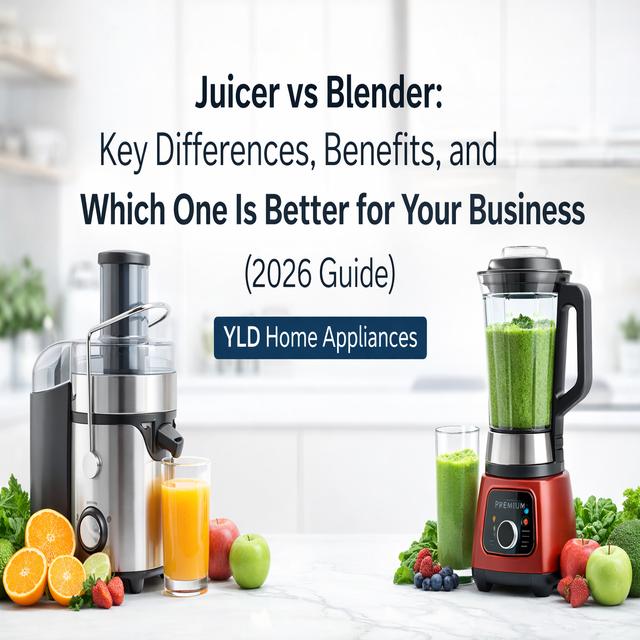

Choosing between a juicer and blender is one of the most important decisions when selecting kitchen appliances for modern use. While both machines are designed to process fruits and vegetables, they operate in very different ways and deliver completely different results.
Understanding the core functionality of each appliance helps buyers select the right product based on usage needs, performance expectations, and end user preferences. Whether the goal is to produce smooth juice or thick smoothies, the choice directly impacts how the product is used in real life.
For importers, distributors, and wholesalers, selecting the right appliance also improves product positioning, enhances customer satisfaction, and increases overall market value.
This guide is helped for wholesale buyers and B2B importers seeking a clear understanding of juicer vs blender appliances. We explains their functionality, key differences, and how to select the right product based on usage and market demand.
Why Should You Choose Juicer or Blender Business in 2026?
The global kitchen appliance market is expanding rapidly, driven by changing consumer lifestyles and increased awareness of healthy eating habits. Appliances that support fresh food preparation, such as juicers and blenders, are becoming essential in both residential and commercial kitchens.
Consumers are increasingly focusing on fresh juice, smoothies, and homemade beverages. This has created strong demand for both juicers and blenders across multiple markets. In addition, multifunction appliances are gaining popularity due to convenience and efficiency.
For B2B buyers, this category offers consistent demand and scalable opportunities. Both juicers and blenders can be positioned across different price segments, making them suitable for a wide range of markets from entry level to premium.
What is a Juicer?
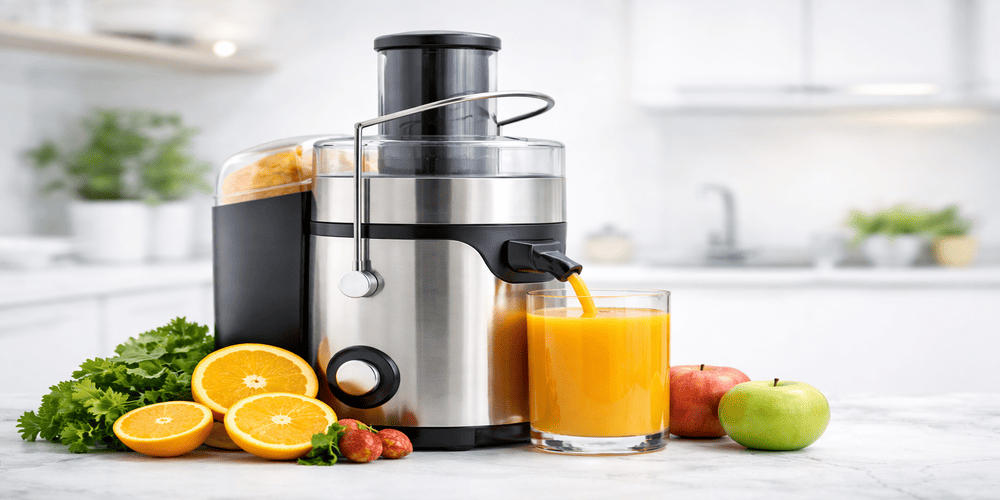
A juicer is a specialized appliance designed to extract liquid from fruits and vegetables by separating juice from pulp.
Working Principle of Juicer
Juicers operate by crushing or pressing ingredients to extract liquid content. The machine separates the fiber and pulp, leaving behind smooth and pure juice. Depending on the type, the process can involve high speed spinning or slow pressing.
Types of Juicers
- Centrifugal Juicer: Uses high speed rotation to extract juice quickly from fruits and vegetables. It is ideal for fast processing but may generate heat, which can slightly reduce nutrient retention.
- Cold Press Juicer: Uses slow pressing technology to extract juice while preserving nutrients and natural enzymes. It produces higher quality juice with better taste and longer shelf life.
- Citrus Juicer: Designed specifically for extracting juice from citrus fruits like oranges, lemons, and limes. It is simple to use and highly efficient for dedicated citrus juice applications.
What is a Blender?
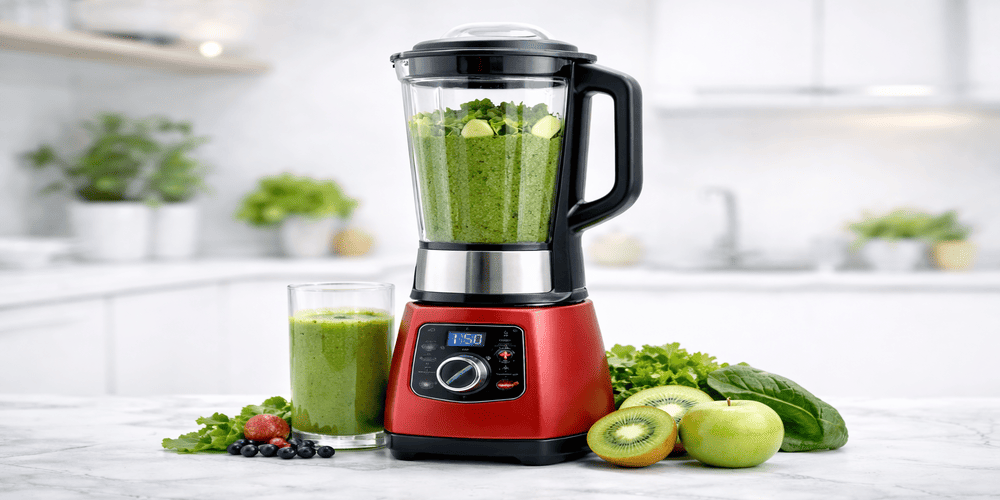
A blender is a versatile appliance used to mix, crush, and process whole ingredients into a uniform mixture.
Working Principle of Blender
Blenders use high speed rotating blades to break down ingredients. Unlike juicers, they do not separate pulp, which means the final output contains fiber and thicker consistency.
Types of Blenders
- Standard Blender: Used for basic mixing, blending, and simple food preparation tasks. It is suitable for everyday kitchen use and light applications.
- High Speed Blender: Equipped with a powerful motor for smooth blending, ice crushing, and tough ingredients. It delivers better consistency and is ideal for smoothies and advanced recipes.
- Commercial Blender: Designed for heavy duty use in restaurants, cafes, and food service environments. It offers high durability, continuous operation, and strong performance for professional applications.
Juicer vs Blender: Quick Technical Comparison
This comparison helps buyers clearly understand how juicer and blender differ in functionality and usage.
| Parameter | Juicer | Blender |
| Processing Method | Extracts juice by separating pulp | Blends whole ingredients |
| Output Texture | Smooth liquid without fiber | Thick mixture with fiber |
| Waste Factor | Produces pulp waste | No waste |
| Speed Range | Medium speed | High speed |
| Application | Juice focused | Multi purpose use |
Functional Comparison Based on Product Usage
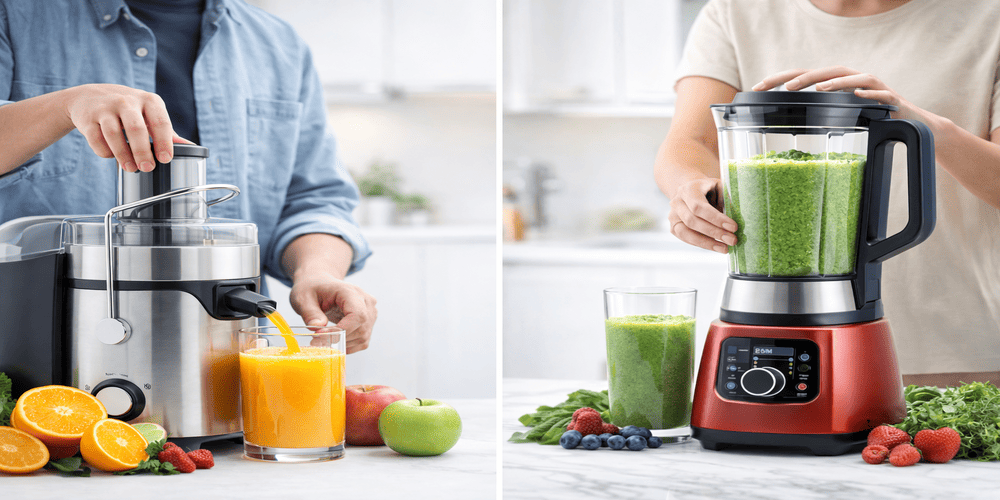
When comparing real world usage, both appliances serve different purposes.
Juicers are mainly used when the goal is to extract clean and smooth liquid. This makes them ideal for users who prefer pure juice without fiber. The output is lighter and easier to consume, especially for health focused routines.
Blenders, on the other hand, are designed for versatility. They can process a wide range of ingredients including fruits, vegetables, ice, and even nuts. This makes them suitable for smoothies, sauces, and food preparation.
In practical use, juicers focus on specialized performance, while blenders provide flexibility and multi purpose functionality.
Benefits of Juicing
On the other side of the juicer vs blender difference, juicing offers a completely different experience. It focuses on extracting pure liquid, making it ideal for users who want clean and smooth juice without fiber.
Here’s why juicing is still highly preferred:
- High nutrient concentration: Juicing removes fiber and concentrates vitamins and minerals into a smaller volume. This allows users to consume more nutrients in a single serving.
- Smooth and easy to consume: Juice has a lighter texture, making it easier to drink and digest. This is especially useful for health focused consumers.
- Better for certain vegetables: Hard vegetables like carrots, beets, and celery are processed more effectively in a juicer. The result is a cleaner and more enjoyable taste.
- Premium product positioning: Juicers are often associated with health and wellness trends. This gives them a higher perceived value in the market.
- Faster nutrient absorption: Since fiber is removed, nutrients are absorbed more quickly by the body, which is beneficial for certain dietary needs.
Limitations of Juicing
While juicing has clear benefits, it also comes with some drawbacks.
- Produces pulp waste: A portion of the ingredients is discarded as pulp, which reduces overall efficiency.
- Limited functionality: Juicers are mainly designed for juice extraction and cannot perform multiple kitchen tasks like blenders.
Benefits of Blending
When it comes to versatility and convenience, blending is often the preferred choice for many users. A good quality blender can handle a wide range of ingredients, making it one of the most flexible kitchen appliances available. Whether you are preparing smoothies, sauces, or even soups, blending offers a practical and efficient solution.
Here’s why blending stands out in the juicer vs blender comparison:
- More versatile functionality: Blenders allow you to combine liquids, fruits, vegetables, nuts, seeds, and supplements in one process. This makes them suitable for smoothies, protein shakes, sauces, soups, and even food preparation tasks.
- Retains natural fiber: Since blending uses whole ingredients, it keeps the fiber intact. Fiber supports digestion, improves satiety, and helps maintain stable energy levels throughout the day.
- No ingredient waste: Unlike juicing, blending uses the entire fruit or vegetable. This reduces waste and improves overall ingredient utilization.
- Cost effective and accessible: Blenders are widely available and generally more affordable compared to advanced juicers. Most households and commercial setups already use them.
- Better for multi purpose usage: Blenders are not limited to beverages only. They are widely used in kitchens for multiple applications, increasing their usability and demand.
Limitations of Blending
Despite its advantages, blending also has some limitations depending on the intended use.
- Thicker output texture: Blended drinks are heavier and thicker due to fiber content. This may not be suitable for users who prefer light and smooth juice.
- Not ideal for all ingredients: Some vegetables like carrots, beets, and other root vegetables may not blend smoothly. This can affect taste and texture.
Why Combo Appliances Are Replacing Single Function Products
The market is gradually shifting toward multifunction appliances that combine multiple features into one unit.
Juicer blender combo appliances allow users to perform both juicing and blending using a single machine. This increases convenience and reduces the need for multiple appliances.
From a buyer perspective, combo units offer higher perceived value and are easier to market. They also reduce inventory complexity and improve overall product competitiveness.
For wholesalers and importers, this trend presents an opportunity to offer products that meet modern consumer expectations while improving profit margins.
How to Choose the Right Manufacturer for Juicer and Blender Products
Selecting a reliable manufacturer is a key factor in ensuring product quality and long term success.
Key Evaluation Points
Buyers should evaluate manufacturing capability, production setup, and quality control systems. A strong manufacturer will have advanced production lines and consistent testing procedures.
Certification compliance is also important, especially for international markets. Standards such as CE, RoHS, and ISO ensure product safety and acceptance.
OEM customization options allow buyers to create unique products with branding, packaging, and feature adjustments.
Sourcing Approach
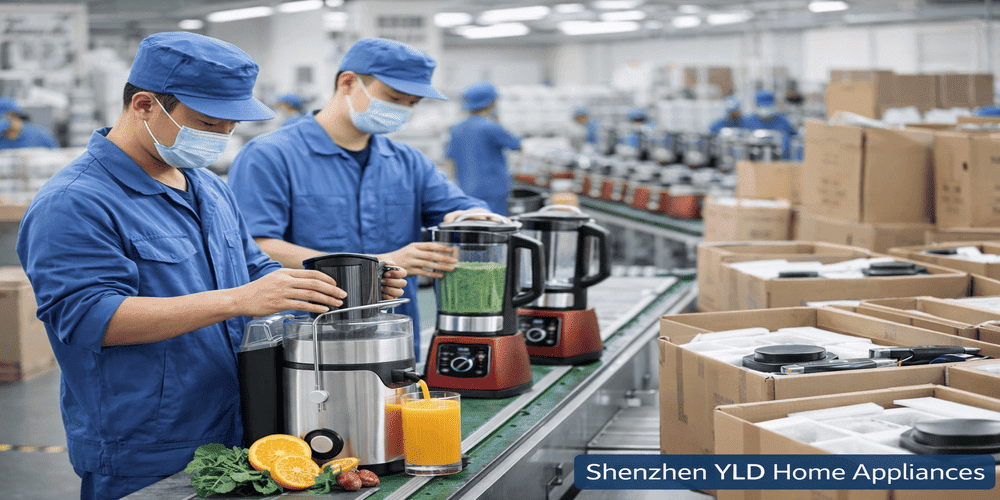
Working directly with a factory instead of a trading company provides better control over pricing and quality. It is also important to verify supplier credentials and request product samples before placing bulk orders.
Smart Sourcing Mistakes to Avoid in Appliance Selection
Many buyers make mistakes that can affect product performance and market success.
Choosing products without understanding their functionality can lead to poor customer experience. Ignoring quality testing increases the risk of defects and returns.
Selecting suppliers without proper verification can result in inconsistent supply. Focusing only on price often leads to compromised quality.
Avoiding these mistakes helps buyers build a stronger and more reliable sourcing strategy.
Related Buying Guides and Industry Insights
Explore the following guides to gain deeper insights into product selection, sourcing strategies, and current trends in the kitchen appliance industry.
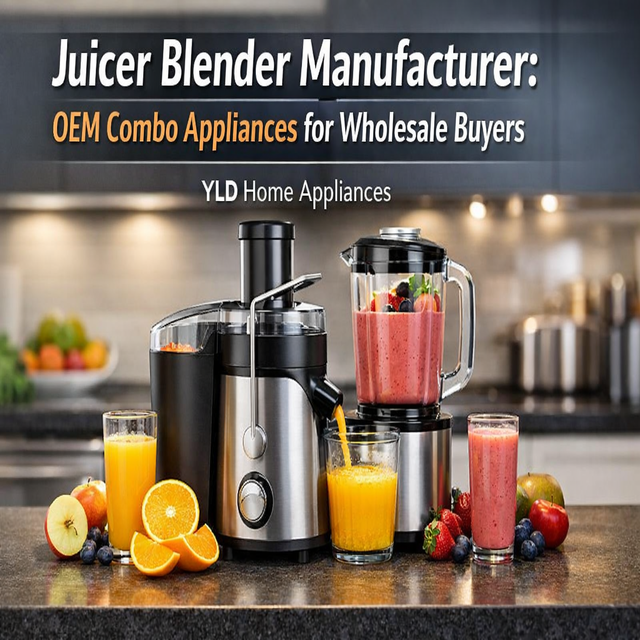
Juicer Blender Manufacturer: OEM Combo Appliances for Wholesale Buyers
Portable Blender OEM Guide: Specifications, MOQ, and Customization Explained
OEM White Kitchen Appliances: A Guide for Private Label Brands
Best Time to Buy Kitchen Appliances: A Complete Guide for Buyers
Why Distributors Prefer High End Kitchen Appliances for Premium Markets?
Final Thoughts
Understanding the difference between juicer and blender helps buyers make informed decisions and select the right product for their market.
Both appliances have strong demand, but their usage and positioning vary. Blenders offer flexibility and wider appeal. Juicers provide specialized performance for niche markets.
For long term success, B2B buyers should consider market demand, product functionality, and supplier reliability when making sourcing decisions.
Explore premium OEM solutions with YLD Home Appliances.
Discover our latest juicer and blender products, and see how our customization capabilities can support your business growth.
Frequently Asked Questions (FAQs)
Q1. What is the main difference between juicer and blender for wholesale buyers?
Juicers extract liquid while blenders process whole ingredients, affecting product usage and market positioning.
Q2. Which product has higher demand globally?
Blenders generally have higher demand due to multi purpose usage, while juicers are strong in health focused segments.
Q3. Should B2B buyers offer both juicer and blender products?
Yes, offering both helps cover different customer needs and expands product portfolio.
Q4. Are combo appliances a better option for wholesalers?
Yes, they provide higher value and meet demand for multifunction products.
Q5. How to choose a reliable manufacturer?
Focus on production capability, certifications, product quality, and OEM customization support.