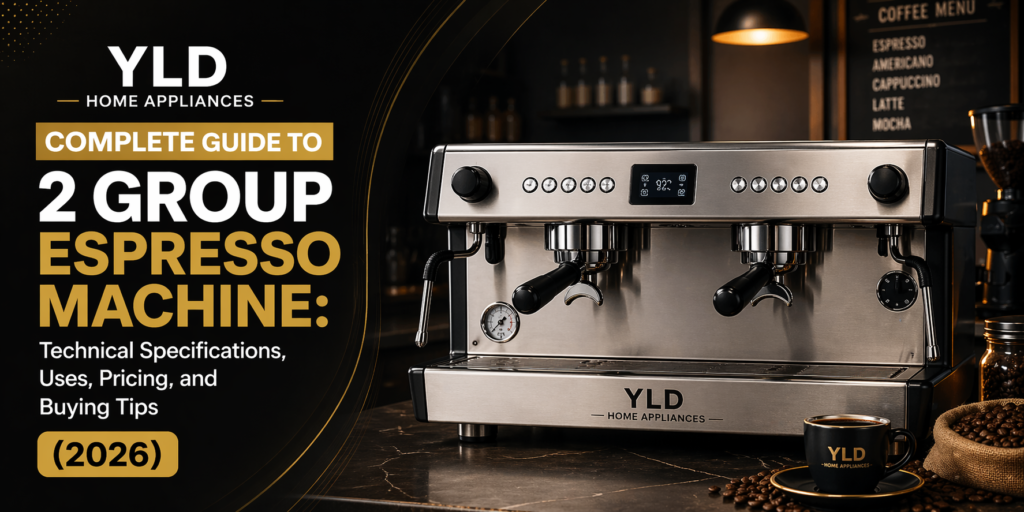


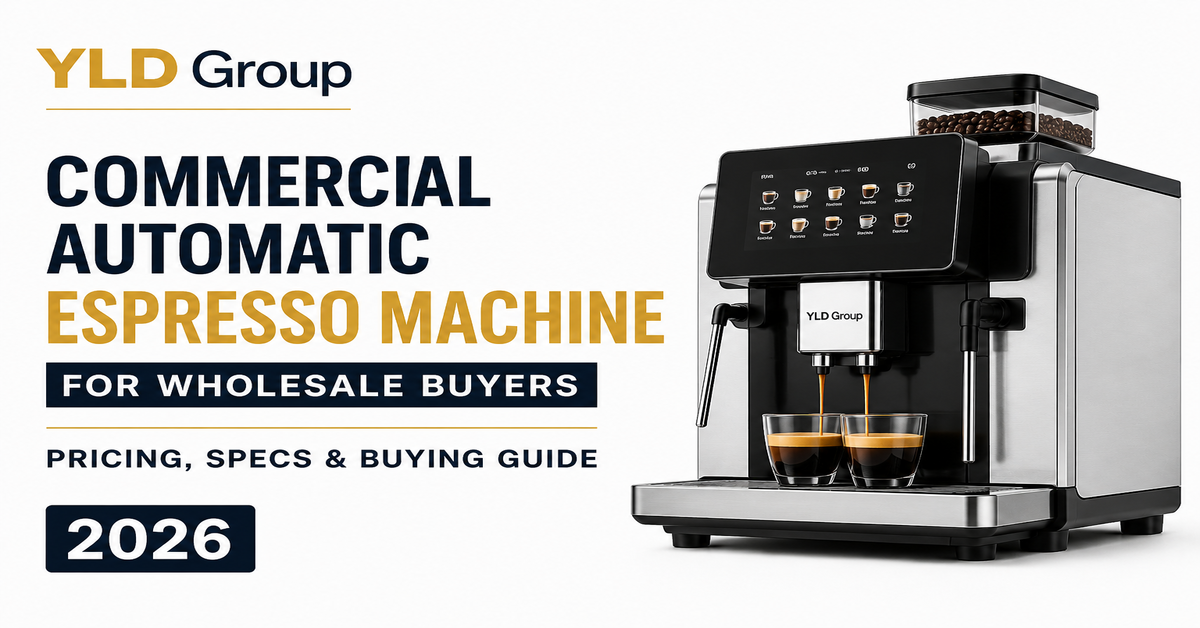

A commercial automatic espresso machine is a fully integrated coffee system engineered for high-volume beverage production with minimal operator intervention. Unlike manual or semi-automatic systems, this machine automates grinding, dosing, tamping, extraction, milk frothing, and cleaning cycles through coordinated mechanical and electronic control systems.
For wholesale buyers, importers, and distributors, selecting the right machine is not only about coffee quality. It is a technical decision involving thermal stability, pressure consistency, automation accuracy, component lifespan, and long-term operational reliability.
YLD Home Appliances is a trusted coffee machine wholesale manufacturer based in China, offering OEM and ODM solutions for importers and global distributors.
This guide provides a complete technical breakdown of commercial automatic espresso machines, including system architecture, performance specifications, pricing structure, and supplier evaluation criteria for B2B sourcing.
Quick Technical Overview
A commercial automatic espresso machine typically operates within the following engineering parameters:
- Boiler capacity: 5L to 15L
- Brewing temperature: 90°C to 96°C
- Steam temperature: 120°C to 130°C
- Pump pressure: 9 bar standard extraction
- Power rating: 2500W to 6000W
- Daily output: 150 to 500 cups
- Grinder speed: 1200 to 1800 RPM
- Dose accuracy: ±0.2 grams
- Temperature stability: ±1°C with PID control
These specifications define the machine’s ability to maintain consistent performance during continuous commercial use.
What is a Commercial Automatic Espresso Machine?
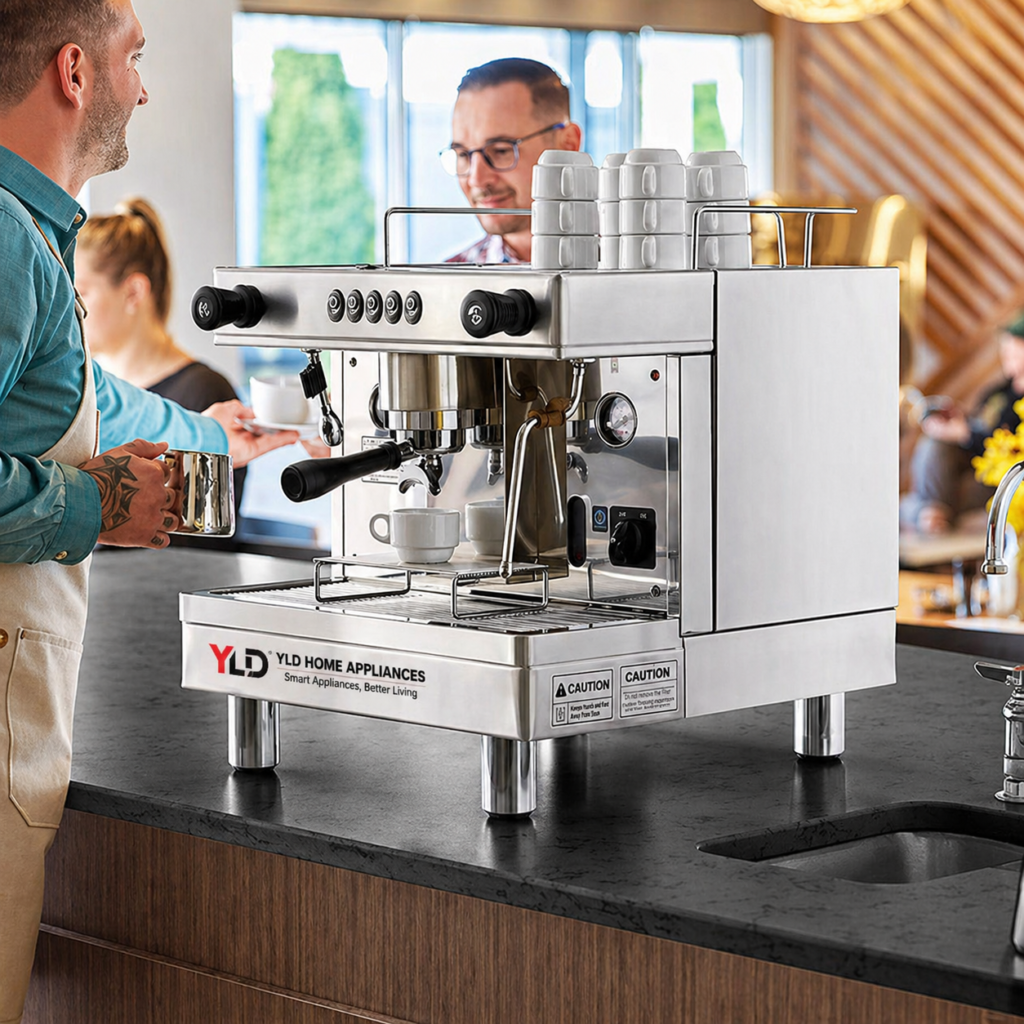
A commercial automatic espresso machine is a fully integrated system designed to produce 150 to 500 cups per day with minimal manual input. It operates within 9 bar pressure, 90°C to 96°C brewing temperature, and maintains flow rate of 1 to 2 ml per second for consistent extraction.
For wholesale buyers, this type of commercial espresso machine combines grinding, dosing, extraction, and milk processing in a single unit, reducing labor dependency and ensuring stable output across continuous cycles of 30 to 60 seconds per beverage.
For wholesale buyers who also need semi-automatic options, YLD’s range of semi-automatic espresso coffee machines offers flexible configurations for different market segments.
System Architecture of Commercial Automatic Espresso Machines
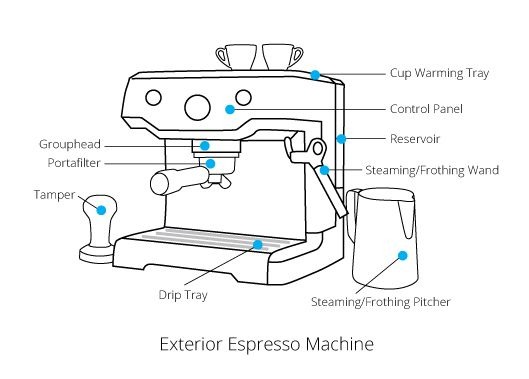
A commercial automatic espresso machine operates through tightly integrated subsystems where mechanical, thermal, and electronic processes must remain synchronized under continuous load conditions.
YLD’s OEM and prototype design service allows wholesale buyers to customize machine specifications, branding, and control interfaces to match their target market requirements.
Brewing System
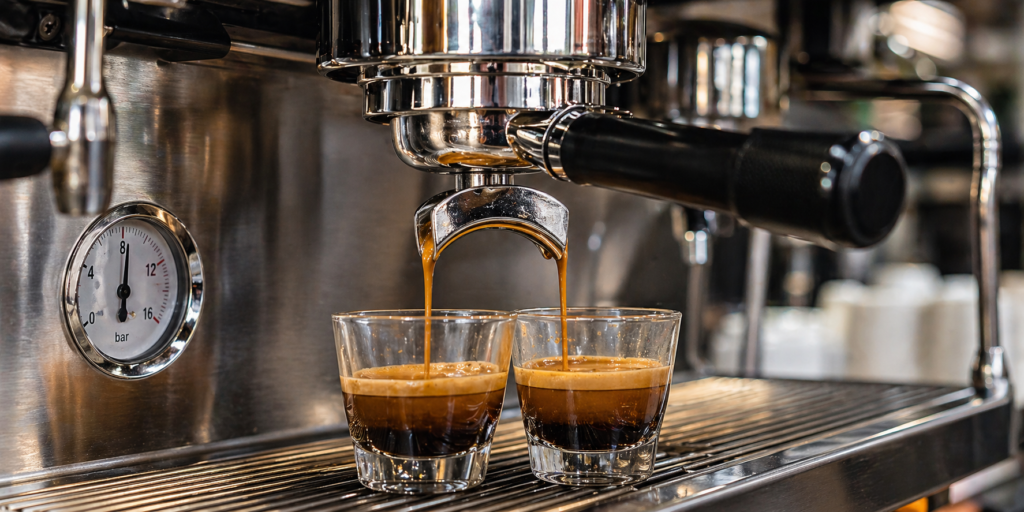
In extraction engineering, the brewing system defines how uniformly pressurized water interacts with the coffee puck. Even minor deviations in distribution or pressure timing can lead to extraction imbalance.
| Component | Specification | Function |
| Group Head | 3.5 to 6 kg brass or steel | Thermal stability and heat retention |
| Pre Infusion | 2 to 4 bar, 2 to 6 sec | Controlled puck saturation |
| Dispersion Screen | 50 to 200 micron | Uniform water spread |
| Solenoid Valve | <50 ms response | Flow activation control |
From an engineering standpoint, higher group head mass increases thermal inertia, reducing temperature drop during consecutive extraction cycles.
Grinding and Dosing System
Particle size distribution directly determines extraction kinetics. The grinding and dosing system must maintain repeatability within tight tolerances to avoid variability in shot quality.
| Component | Specification | Function |
| Burr Set | 50 to 64 mm steel | Particle size control |
| Motor | 1200 to 1800 RPM | Grinding speed regulation |
| Dose System | ±0.2 g tolerance | Consistent dosing |
| Hopper | 0.5 to 1.5 kg | Continuous bean supply |
A deviation of even 0.3 grams in dose or inconsistent grind size can shift extraction time and dissolved solids concentration significantly.
For distributors looking to pair their espresso setup with a dedicated unit, YLD also supplies electric coffee and spice grinders at competitive wholesale prices.
Hydraulic System
Consider the hydraulic system as a closed-loop pressure delivery network where flow stability is more critical than peak pressure output.
| Component | Specification | Function |
| Pump | 9 bar rotary | Continuous pressure generation |
| Flow Meter | ±2 percent accuracy | Volume measurement |
| Valves | Up to 15 bar resistance | Flow direction control |
| Water Inlet | Filtered input | Scale prevention |
In practical operation, unstable flow rate causes pressure oscillation, which results in uneven extraction across the coffee bed.
Thermal System
Thermal management is not only about reaching target temperature but maintaining equilibrium during dynamic load conditions.
| Component | Specification | Function |
| Boiler | 5L to 15L | Heat storage |
| Heater | 2000W to 5000W | Energy conversion |
| Sensor | ±1°C accuracy | Temperature monitoring |
| PID Control | Real-time loop | Thermal stabilization |
Machines without precise PID temperature control often experience thermal drift, especially during peak usage, which directly impacts extraction consistency.
Milk Processing System
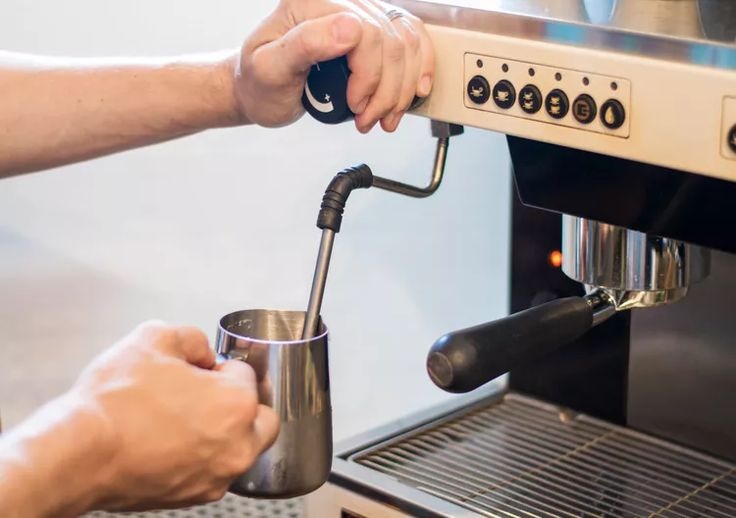
Milk texturing depends on controlled interaction between steam energy and liquid milk proteins.
| Component | Specification | Function |
| Steam Boiler | 120°C to 130°C | Steam generation |
| Steam Wand | Multi hole nozzle | Steam injection |
| Air Valve | Adjustable flow | Foam structure control |
| Milk Pump | 0.5 to 1.5 L per min | Automated milk supply |
From a thermodynamic perspective, stable steam pressure ensures consistent microbubble formation required for uniform milk texture.
Control System
Unlike mechanical subsystems, the control system operates as a decision-making layer that continuously processes sensor data and adjusts machine behavior in real time.
| Component | Specification | Function |
| MCU | 32 bit processor | Operation control |
| Interface | Digital or touch | User interaction |
| Sensors | Multi point detection | Feedback system |
| Software | Embedded logic | Process automation |
Control latency and sensor response time directly affect synchronization between grinding, extraction, and steaming processes.
System Integration Perspective
A commercial automatic espresso machine performs as a unified system where each subsystem must operate within defined tolerances:
- Grinding precision controls extraction uniformity
- Hydraulic stability maintains pressure consistency
- Thermal control ensures flavor accuracy
- Automation logic synchronizes all operations
System failure rarely originates from one component. It is usually the result of poor integration between subsystems, which is why wholesale buyers must evaluate engineering compatibility across the entire machine architecture.
Working Principle of Commercial Automatic Espresso Machine
A commercial automatic espresso machine operates by maintaining stable pressure, temperature, and flow conditions during extraction. Water is forced through a compact coffee bed where resistance is created by grind size and tamping density. Maintaining stable pressure at 9 bar extraction standards ensures consistent output quality.
| Parameter | Typical Range | Measured Value |
| Pressure | 9 bar | 9 bar |
| Temperature | 90°C to 96°C | 92°C average |
| Flow Rate | 1 to 2 ml per sec | 1.5 ml per sec |
| Extraction Time | 20 to 30 sec | 25 sec |
| Dose Weight | 16 to 22 g | 18 g |
| Output Volume | 30 to 60 ml | 40 ml |
The machine performance depends on maintaining these values consistently across repeated cycles.
Pump System and Pressure Control in Commercial Automatic Espresso Machine
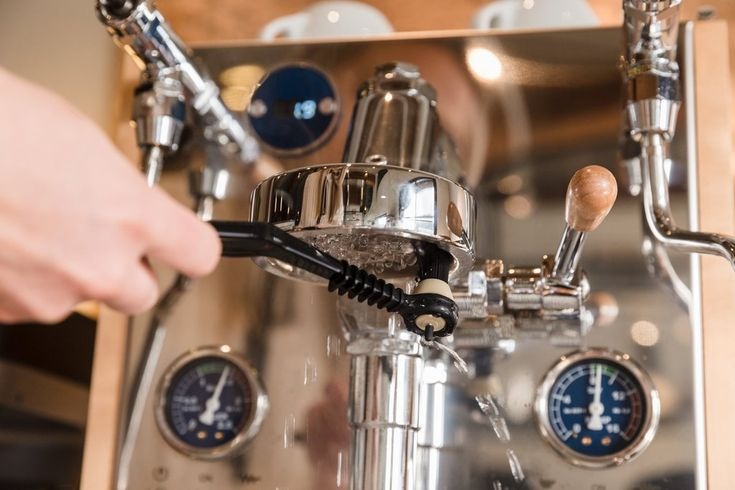
The pump system in a commercial automatic espresso machine controls pressure delivery during extraction. For wholesale buyers, selecting the right pump type directly impacts performance stability, machine lifespan, and suitability for 50 to 500 cups per day operations.
Rotary Pump Performance
Rotary pumps are used in high-capacity commercial automatic espresso machines where stable pressure and continuous operation are required for cafés, hotels, and distributors targeting premium markets. Rotary systems provide consistent extraction across 200 to 500 daily cycles, making them suitable for high-volume business environments.
- Operating pressure: 9 bar continuous
- Flow capacity: 100 to 200 L per hour
- Pressure stability: ±0.2 bar
- Rise time: 1 to 2 seconds
- Maximum pressure tolerance: 15 bar
Vibration Pump Performance
Vibration pumps are commonly used in cost-sensitive machines designed for lower daily output. They are suitable for operations handling 50 to 150 cups per day, where continuous pressure stability is not critical.
- Peak pressure range: 8 to 15 bar
- Operating pressure: 8 to 10 bar
- Flow capacity: 60 to 120 L per hour
- Pressure deviation: ±0.5 bar
- Rise time: 2 to 4 seconds
For importers, vibration pump machines are easier to position in budget markets but may not perform well under heavy usage.
Pressure Profiling Capability
Pressure profiling is used in advanced machines to control extraction pressure across different stages. This feature is important for premium coffee businesses and high-end distribution segments.
- Pressure range: 2 bar to 9 bar
- Profiling duration: 5 to 30 seconds
- Adjustment step: 0.5 to 1 bar
- Response time: <1 second
Buyers targeting specialty coffee markets often prefer machines with pressure profiling for better control over extraction quality.
Grinding System Engineering in Commercial Automatic Espresso Machine
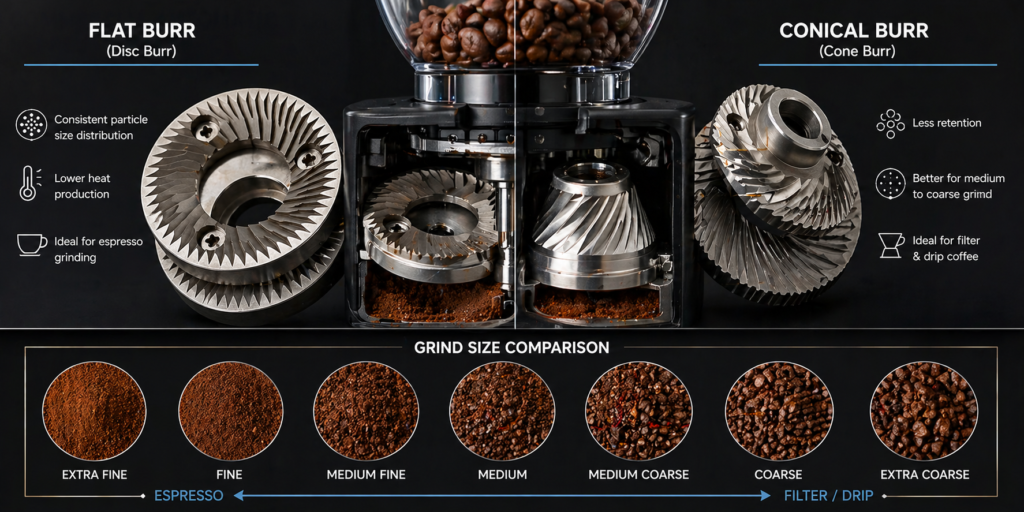
Grinding performance is controlled through measurable parameters that define particle size, dose accuracy, and cycle efficiency. These parameters define extraction resistance and consistency during continuous operation.
Burr Configuration
Flat burr systems operate within 1200 to 1600 RPM, while conical burr systems run at 800 to 1400 RPM. Burr diameter typically ranges between 50 to 64 mm, with particle size maintained within 200 to 800 micron and deviation controlled at ±10 percent.
Higher RPM increases grinding speed, while lower RPM reduces thermal buildup during continuous operation of 200 to 500 cycles per day. Burr diameter directly impacts surface contact area and grinding consistency across repeated cycles.
Dose and Particle Control
Dose weight is maintained between 16 to 22 grams, with tolerance controlled at ±0.2 grams per shot. Particle size distribution remains within 200 to 800 micron, supporting extraction time between 20 to 30 seconds and output volume of 30 to 60 ml.
Maintaining dose accuracy within ±0.2 grams ensures stable pressure conditions during extraction. Variations beyond this range affect flow rate of 1 to 2 ml per second, leading to inconsistency across cycles.
Motor and Cycle Performance
Grinding motors operate within 150W to 500W, completing each cycle in 3 to 8 seconds per shot. Continuous operation capacity reaches 200 to 500 cycles per day, depending on system load and cooling performance.
Motor stability is maintained within ±5 percent RPM variation, ensuring consistent grinding output during extended operation of 6 to 10 hours per day. Higher power motors support faster cycle completion under peak demand conditions.
Commercial Automatic Espresso Machine Output Capacity and Performance for Wholesale Buyers
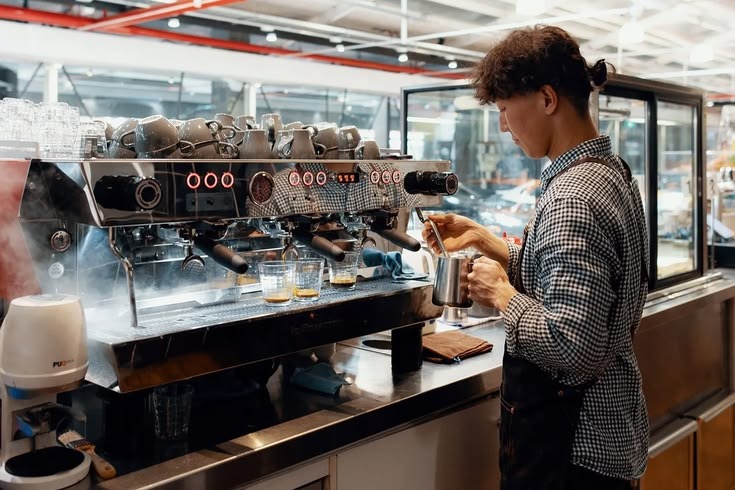
For wholesale buyers, output capacity and performance determine whether a machine can handle continuous commercial demand without performance loss. These measurable parameters directly impact equipment selection, product positioning, and long-term operational consistency in café, hotel, and distribution markets.
Extraction Time and Shot Output
Extraction cycles in a commercial automatic espresso machine operate within 20 to 30 seconds per shot, producing output volume between 30 to 60 ml. Dose weight remains within 16 to 22 grams, with flow rate maintained at 1 to 2 ml per second.
Maintaining extraction timing within ±1 second variation ensures consistent output across 150 to 500 cups per day, which is critical for wholesale buyers targeting stable product performance.
Daily Production Capacity
Commercial automatic espresso machines support daily output between 150 to 500 cups, depending on system configuration and workload. Total cycle time per beverage ranges between 30 to 60 seconds, including grinding and cleaning.
Water consumption per shot remains within 40 to 80 ml, resulting in total daily consumption of 6 to 20 liters during continuous operation.
Milk System Output Performance
Milk processing operates within 10 to 20 seconds per cycle, with flow rate between 0.5 to 1.5 liters per minute. Steam pressure is maintained at 1 to 1.5 bar, with fluctuation limited to ±0.1 bar.
These parameters support 100 to 300 milk-based beverages per day, depending on machine capacity and steam recovery.
Cycle Efficiency for High-Volume Buyers
Cycle efficiency is maintained within 30 to 60 seconds per beverage, with back-to-back delay between 5 to 10 seconds. Continuous operation typically runs for 6 to 10 hours per day.
For wholesale buyers, machines with higher cycle efficiency deliver better performance consistency across large-scale commercial usage.
How Wholesale Buyers Should Choose a Commercial Automatic Espresso Machine?
This buying guide helps wholesale buyers choose a commercial automatic espresso machine by aligning price, capacity, and technical performance. It ensures reliable sourcing of a high-efficiency commercial espresso machine that delivers consistent output in demanding commercial environments.
Step 1: Define Daily Output Requirement
A commercial automatic espresso machine should match daily demand between 150 to 500 cups per day, depending on business type. Extraction time remains within 20 to 30 seconds, with full cycle duration between 30 to 60 seconds per beverage.
Wholesale buyers targeting cafés or hotel supply must align output capacity with peak-hour demand. Machines operating below required capacity create delays, while oversized systems increase cost without improving efficiency.
Step 2: Check Boiler Capacity and Heating Performance
Selecting the right machine requires understanding coffee brewing fundamentals and system performance.
Boiler capacity typically ranges between 5L to 15L, with heating power between 2000W to 5000W. Temperature stability must remain within 90°C to 96°C, with deviation controlled at ±1°C.
For a commercial espresso machine, stable thermal performance ensures consistent extraction across repeated cycles. Buyers should prioritize systems with faster recovery time of 10 to 30 seconds under continuous load.
Step 3: Evaluate Pump Type and Pressure Stability
A commercial automatic espresso machine operates at 9 bar continuous pressure, with stability maintained within ±0.2 bar. Flow capacity ranges between 100 to 200 L per hour for consistent water delivery.
Rotary pump systems are preferred for high-volume commercial use due to stable pressure across 200 to 500 cycles per day. Pressure fluctuation directly affects extraction consistency and output quality.
Step 4: Analyze Grinding System Accuracy
Grinding systems operate at 1200 to 1800 RPM, with burr size between 50 to 64 mm. Particle size distribution remains within 200 to 800 micron, with deviation controlled at ±10 percent.
Dose accuracy should remain within ±0.2 grams, ensuring stable extraction timing of 20 to 30 seconds. In a commercial espresso machine, grinding consistency directly impacts pressure balance and flow rate.
Step 5: Verify Extraction and Flow Parameters
Extraction flow rate is maintained between 1 to 2 ml per second, producing output volume of 30 to 60 ml per shot. Dose weight remains within 16 to 22 grams for stable resistance.
Maintaining these values ensures consistent performance in a commercial automatic espresso machine across 150 to 500 cups per day. Variations in flow or timing reduce repeatability and product quality.
Step 6: Check Electrical Compatibility and Power Load
Commercial espresso machines operate within 110V to 380V and 50Hz to 60Hz frequency. Total power consumption ranges between 2500W to 6000W, depending on system configuration.
Buyers sourcing for international markets must ensure voltage compatibility and stable power supply. Incorrect electrical matching affects heating efficiency and overall machine performance.
All YLD kitchen appliances, including espresso machines, carry internationally recognized safety approvals — view full certifications including CE, RoHS, CB, and ISO9001.
Step 7: Evaluate Continuous Operation Capability
A commercial automatic espresso machine should support 6 to 10 hours of continuous operation, with 200 to 500 cycles per day. Steam pressure is maintained between 1 to 1.5 bar, with recovery time of 10 to 30 seconds.
For wholesale buyers, long-term durability and stable output are critical. Machines that maintain consistent performance under continuous load deliver better ROI and reduce maintenance frequency.
Commercial Automatic Espresso Machine Price Breakdown for Wholesale Buyers
Buyers should compare specifications based on commercial espresso machine requirements before final selection.
| Cost Factor | Price Range (USD) | Core Spec | Output |
| Entry Level | 1,500–3,000 | 5L–8L boiler | 100–200 cups per day |
| Mid Range | 3,000–6,000 | 8L–12L dual boiler | 200–350 cups per day |
| High End | 6,000–12,000 | 10L–15L multi boiler | 300–500 cups per day |
| Grinder System | 150–500 | 50–64 mm burr | 1200–1800 RPM |
| Pump System | 100–300 | 9 bar rotary | 100–200 L per hour |
| Control System | 200–800 | PID ±1°C | <100 ms response |
Wholesale buyers can request a customized quote directly from YLD Home Appliances to get competitive bulk pricing tailored to their order volume and specifications.
For more sourcing guides and kitchen appliance industry insights, visit the YLD Home Appliances blog — a resource hub for wholesale buyers and distributors.
Final Thoughts
A commercial automatic espresso machine is a performance-driven system where output capacity, pressure stability, temperature control, and grinding accuracy must operate within fixed ranges to ensure consistent results.
For wholesale buyers, selecting the right commercial espresso machine requires aligning technical specifications with daily demand, budget range, and long-term operational reliability.
Ready to upgrade your product line with a high-performance commercial automatic espresso machine? Work with YLD Home Appliances to access reliable manufacturing, stable supply, and machines engineered for 150 to 500 cups per day commercial demand.
Importers and regional distributors can become an exclusive YLD dealer in their country and gain access to priority pricing, dedicated support, and a full kitchen appliance product range.
Frequently Asked Questions (FAQs)
Q1: What is a commercial automatic espresso machine?
Answer: A commercial automatic espresso machine automates grinding, dosing, extraction, and milk processing. It operates within 9 bar pressure and 90°C to 96°C temperature for consistent output. These machines are designed for 150 to 500 cups per day usage.
Q2: What is the difference between automatic and semi automatic espresso machines?
Answer: Automatic machines control extraction time, flow rate, and dosing automatically. Semi automatic machines require manual control of extraction timing and grinding. Automatic systems provide better consistency for high-volume commercial use.
Q3: How many cups can a commercial automatic espresso machine produce per day?
Answer: Most machines produce between 150 to 500 cups per day depending on system configuration. Output depends on cycle time of 30 to 60 seconds per beverage. Higher-capacity machines support continuous operation.
Q4: What is the ideal pressure and temperature for espresso extraction?
Answer: Standard extraction requires 9 bar pressure and temperature between 90°C to 96°C. Stability should remain within ±0.2 bar and ±1°C. These values ensure consistent extraction quality.
Q5: What is the average price of a commercial automatic espresso machine?
Answer: Entry-level machines start from 1,500 USD, mid-range models range between 3,000 to 6,000 USD, and high-end machines can reach 12,000 USD depending on specifications.
Q6: How long does a commercial espresso machine last?
Answer: A high-quality commercial espresso machine typically lasts 5 to 10 years under proper maintenance. Pump lifespan can exceed 10,000 hours, depending on usage conditions. Regular cleaning and servicing improve durability.
Q7: What should wholesale buyers check before importing a commercial automatic espresso machine?
Answer: Buyers should verify voltage range 110V to 380V, power consumption 2500W to 6000W, and boiler capacity 5L to 15L. Pressure stability should remain within ±0.2 bar and temperature within ±1°C. These values ensure stable performance across 150 to 500 cups per day. Before finalizing any import order, buyers can request a product sample test to verify machine quality, performance consistency, and compliance with their local market standards.